Publish date: 26 June 2026
Read in: 11 min
Thalassotherapy is a method that promotes health, regeneration and well-being by utilising the natural properties of the marine environment – seawater, coastal air, seaweed, mud and the coastal climate. Although it is primarily associated with relaxation and rest by the sea, its benefits can extend beyond momentary relaxation. Carefully selected treatments support the respiratory system, circulation, skin condition, post-exercise recovery and the body’s overall balance. In this article, we explain what thalassotherapy is, how it affects the body and for whom it may be particularly beneficial – both in terms of preventive healthcare and the recovery process.
Although the benefits of sea bathing and the coastal climate were already known in ancient times, thalassotherapy as a distinct concept did not emerge until the 19th century. The term is attributed to the French physician Joseph de la Bonnardière, who in 1865 combined the Greek words thalassa – sea – and therapeia – treatment. At that time, seaside resorts were booming across Europe, and stays by the sea were increasingly viewed not only as a form of relaxation but also as a means of prevention and convalescence. It was then that the effects of the marine environment on the body began to be described more systematically, giving rise to the modern understanding of thalassotherapy.
Thalassotherapy is a form of therapy that utilises the natural properties of the sea and the coastal environment. It includes, amongst other things, sea water baths, sea spray inhalations, wraps using seaweed, salt or sea mud, as well as exposure to the maritime climate. Its aim is to support the body’s regeneration, improve well-being, promote relaxation and relieve muscle tension. In thalassotherapy, it is not only the seawater itself – rich in minerals – that is important, but also contact with air saturated with the sea breeze and the stimuli of the natural surroundings. This approach is most commonly used in medical centres as part of a comprehensive programme of care for the body and mind.
Invest in your health, wellbeing and recovery.
Modern medicine is increasingly turning to natural methods to support treatment, amongst which thalassotherapy holds a unique position. Its power lies in its holistic and multifaceted effect on the human body – the sea does not affect a single organ, but rather the entire biological systems simultaneously. The synergy of thermal, mechanical and chemical stimuli provided by the coastal climate triggers a series of adaptive and self-regulating processes in the body. As a result, thalassotherapy fits perfectly within the framework of modern rehabilitation and preventative care, providing a safe foundation for or complement to therapy across a wide range of health areas.
The seaside microclimate acts as a natural inhaler. Waves breaking on the shore create a sea aerosol saturated with particles of iodine, bromine, magnesium and sodium. Breathing in this air helps to moisturise the mucous membranes of the respiratory tract, thin out trapped secretions and make them easier to cough up. Thalassotherapy can support the treatment of chronic sinusitis, recurrent bronchitis and bronchial asthma. Clean air, free from smog and strong allergens, also aids the recovery of the respiratory system following viral infections.
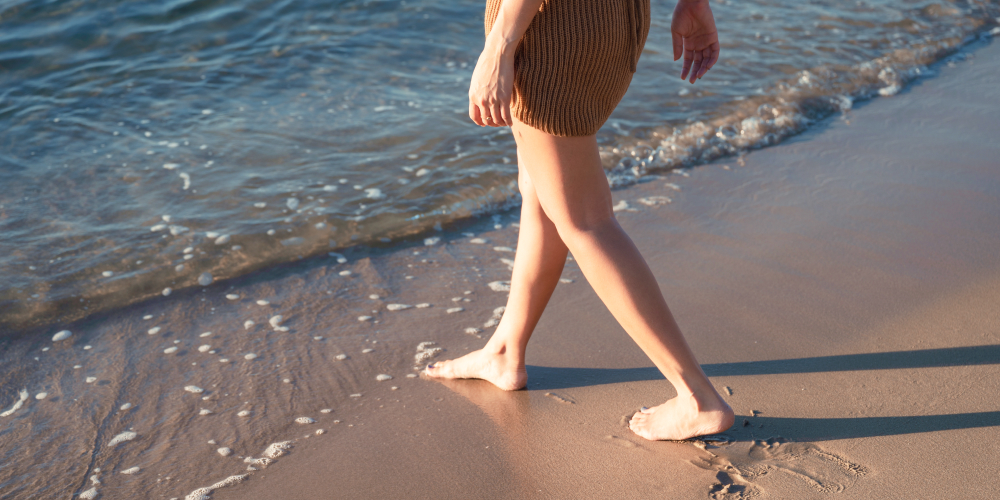
By utilising temperature differences (e.g. during walks along the seashore, where the feet wade in cool water whilst the body is warmed by the sun), thalassotherapy provides excellent ‘training’ for the blood vessels. This process, known as the stimulus barrier, forces the vessels to alternately contract and relax. The result is improved peripheral circulation, enhanced lymphatic drainage (which reduces swelling in the legs) and a general strengthening of the immune system. This method supports the treatment of mild hypertension and chronic venous insufficiency.
Support for the musculoskeletal system is based on the unique physical properties of seawater and mud and seaweed wraps. Warm brine baths reduce muscle tension and improve blood circulation, which directly helps to reduce pain. Thanks to the buoyancy of the water, exercises in the sea – known as aquatherapy – allow the joints and spine to be safely relieved of strain. This enables patients to increase their range of motion with a lower risk of injury. For this reason, thalassotherapy is recommended for osteoarthritis, rheumatoid arthritis (RA) and post-traumatic rehabilitation.
The marine environment is a veritable elixir for skin suffering from chronic conditions such as psoriasis, atopic dermatitis (AD) or eczema. The high concentration of magnesium, potassium and calcium in seawater plays a key role here. Magnesium effectively reduces inflammation and accelerates healing, whilst sea salt acts as a natural antiseptic and a gentle exfoliant. Furthermore, combining these baths with controlled exposure to the sun (heliothalassotherapy) inhibits excessive cell division in the epidermis of psoriasis sufferers, leading to long-term remission and a visible improvement in skin condition.
Thalassotherapy can have a beneficial effect on mental wellbeing, which is particularly important in an age of lifestyle-related diseases. The sound of the waves and the seaside landscape, dominated by shades of blue and green, help to calm an overstimulated nervous system and can assist in reducing tension. The bromine present in the seaside air has a soothing effect and can make it easier to fall asleep, whilst the high iodine content supports the proper functioning of the thyroid gland, which influences, amongst other things, mood and energy levels. Seaside therapies can therefore provide valuable support for people experiencing chronic stress, fatigue, low mood or symptoms of burnout.
Thalassotherapy, as a form of complementary therapy and a component of spa medicine, takes into account both the potential benefits and possible health limitations. What may promote recovery, reduce tension or improve skin condition in one person may, in another — for example, in the case of an active infection, an uncontrolled chronic condition or acute inflammation — place an excessive strain on the body. For this reason, eligibility for thalassotherapy should be based on an assessment of indications, contraindications and individual tolerance to specific stimuli.
Thalassotherapy may be considered as a supportive treatment for:
Thalassotherapy should not be undertaken in the following cases:
Remember! The final assessment for the treatment should take into account the type of thalassotherapy, the water temperature, the intensity of the stimulus, the duration of the treatment and the patient’s current state of health.
Thalassotherapy does not necessarily involve complicated treatments, strenuous exercise or the ability to swim. It is based on mindful engagement with the coastal environment. Even a peaceful walk along the seashore can promote recovery and help the body regain its balance – especially if it forms part of a broader, holistic approach to health.
For those who wish to combine the proximity of the Baltic Sea with professional medical care, a stay at the NAMI Medical Resort and Clinic in Sopot may be a good choice. It is a place where regeneration, preventative care and comfort are combined with specialist care.
NAMI Medical Resort and Clinic exclusively offers medical programs.
Discover NAMI’s medical programmes and plan a recuperative stay by the sea.
Read more