Update date: 18 November 2025
Publish date: 13 August 2025
Read in: 10 min
Urogynecological physiotherapy is a type of therapy that focuses on the prevention and treatment of dysfunction in the pelvic floor muscles and pelvic organs. Both women and men who struggle with problems such as urinary incontinence or chronic pain benefit from the support of a urogynecological/urological physiotherapist. Find out what urogynecological physiotherapy involves and when it can help you.
Contents
Urogynecological physiotherapy is a branch of physiotherapy that focuses on the diagnosis, treatment, and prevention of various dysfunctions related to the pelvic floor. A urogynecological physiotherapist helps to maintain the proper functioning of the pelvic floor muscles and the structures of the genitourinary and digestive systems.
This therapy is mainly associated with women, as it addresses issues specifically related to female anatomy and physiology. Menstruation, pregnancy, childbirth, postpartum, and menopause cause many changes in a woman’s urogenital and digestive systems, which sometimes lead to various ailments, such as urinary incontinence, pelvic pain, or pain during intercourse. Urogynecological physiotherapy helps to prevent, alleviate, and eliminate these problems.
However, it is worth remembering that urogynecological physiotherapy has its “male” counterpart in the form of urological physiotherapy. Men also suffer from urinary incontinence and pain in the lower pelvic area. Urological physiotherapy also helps with erectile dysfunction and is helpful in preparing for urological procedures (prehabilitation) and returning to full health after them (rehabilitation). Urological physiotherapy is one of the ways to support recovery after radical prostatectomy.
Urogynecological physical therapy is a medical field that helps with various conditions and ailments related to the pelvic area, abdomen, and genitourinary system. If you experience any discomfort, it is worth consulting a specialist who will assess whether and what form of urogynecological/urological therapy may be helpful.
Women should consider visiting a urogynecological physiotherapist in cases such as:
Urogynecological physiotherapy helps prepare a woman’s body for the demanding period of pregnancy and childbirth, and also supports recovery and full strength during the postpartum period. Working with a physiotherapist can also be helpful during perimenopause and menopause.
For men, urological physiotherapy can help with, among other things:
Do you need effective help?
Urogynecological physiotherapy is an effective form of help, but there are situations when it is worth postponing it and first taking care of improving the overall condition of the body. These include cases of acute inflammation in the lower pelvis or the presence of cancer.
Based on the interview, among other things, the specialist will assess whether and what forms of therapy will be safe for the patient. During the initial consultation, it is worth reporting any doubts to the specialist. Pregnant women can also consult their gynecologist about their desire to undergo therapy.
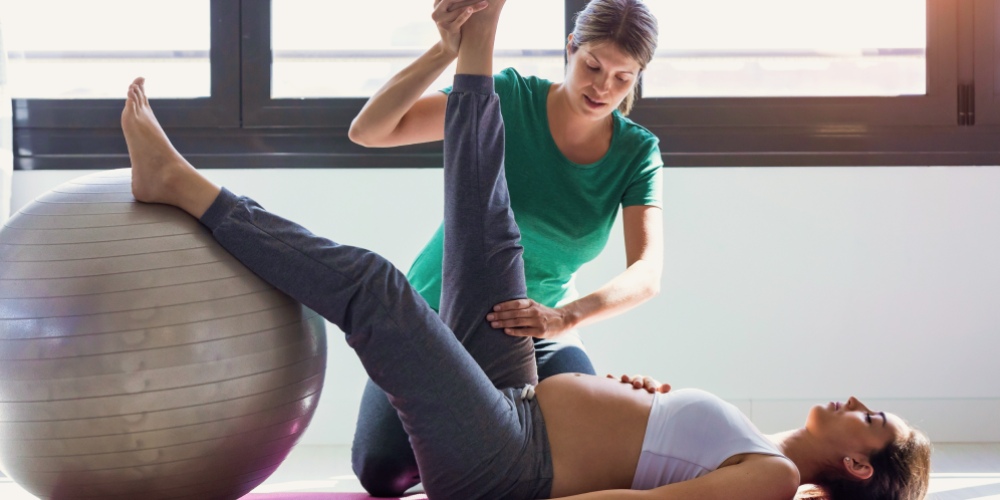
Urogynecological physiotherapy is an important part of supporting female fertility. It is a form of therapy that prepares a woman’s body for pregnancy and childbirth. Depending on the individual needs of patients, specialists work with expectant mothers at every stage of their pregnancy and after childbirth.
Excessive tension in the pelvic floor muscles can effectively hinder pregnancy. Urogynecological physiotherapy helps to reduce muscle tension and improves blood supply to the uterus, thus increasing the chance of embryo implantation.
Working with a physical therapist also helps reduce inflammation in the body. Under the supervision of a specialist, the expectant mother can therefore work on factors that will support her fertility, increase her chances of conceiving a child, and prepare her body for pregnancy and childbirth.
Manual therapy, breathing therapy, appropriate exercises, and education also help reduce stress.
– Sometimes gynecologists say, “Do you want to get pregnant? Stress less!” But how can you do that? During urogynecological physiotherapy, we learn, among other things, to slow down our breathing, lengthen its phase, and breathe consciously. We also learn various meditation techniques, Schultz’s autogenic training, and Jacobson’s relaxation – explains Emanuela Wolszczak, urogynecological physiotherapist at NAMI Medical Resort and Clinic.
Manual therapy, breathing therapy, exercises, and education, started early enough, can also improve a woman’s quality of life during pregnancy.
– It is very important to properly prepare the muscle tissue, pelvic floor, and abdomen. The abdomen grows along with the baby. If its muscles are very tense, the linea alba stretches, which sometimes causes various ailments, such as back pain. It is worth focusing on relaxing the abdomen and protecting it from excessive stretching of the linea alba – says the specialist.
Sometimes one visit is enough to prepare for pregnancy, and sometimes, especially if the patient notices various symptoms that could worsen as a result, the physiotherapist recommends several visits, e.g., at monthly or longer intervals. It is worth taking advantage of these visits to develop beneficial habits or correct those that may prove harmful during pregnancy.
When preparing for childbirth, it is advisable to work on the patient’s breathing pattern, pelvis, and perineal areas, among other things. Preparing under the supervision of a specialist helps ensure a quicker return to form after childbirth.
– Working with conscious breathing to the pelvic floor muscles can facilitate the passage of the baby through the birth canal. Perineal massage, on the other hand, involves working with this tissue and learning how to consciously relax it, which is crucial during childbirth. Your partner will also benefit from the visit, learning how to massage your sacrum area, your sacroiliac joints, how to support vertical positions, how to remind you to breathe or relax your feet and relax your face and jaw muscles.
Urological physiotherapy is increasingly used by patients who lead a sedentary lifestyle (e.g., working long hours at a computer) or are very active, exercising at the gym, lifting weights—these are people who, due to the heavy strain on their pelvic floor muscles, seek the help of a specialist.
Men also suffer from urinary incontinence, pelvic pain, and sexual dysfunction, which are conditions that a physical therapist can successfully treat. Urological physical therapy support is also invaluable in so-called prehabilitation, i.e., preparation for surgery (e.g., prostatectomy) and post-operative rehabilitation.
A visit to a urogynecological physiotherapist usually does not require any special preparation. However, to make it easier to perform the exercises, it is a good idea to wear comfortable clothing. It is also important to bring medical records, e.g., regarding previous surgeries, pregnancies, ultrasound results, etc.
Need support?
To help the patient, the physiotherapist may use various devices and techniques. Our physiotherapists work with top-class medical equipment.
The methods of urogynecological/urological physiotherapy that we use include:
NAMI Medical Resort and Clinic exclusively offers medical programs.

Read more