Update date: 18 November 2025
Publish date: 7 May 2025
Read in: 8 min
The pelvic floor muscles, also known as the Kegel muscles, are a group of muscles that “lock us in from below”, so to speak. They are responsible for urinary and bowel continence and play an important role in the sensation of sexual satisfaction. In women, they additionally support the expanding uterus during pregnancy and facilitate natural childbirth. Why is it important to do pelvic floor muscle training regularly? Which set of exercises should I choose? Should men also take care to strengthen their pelvic floor muscles? Read the article and find out!
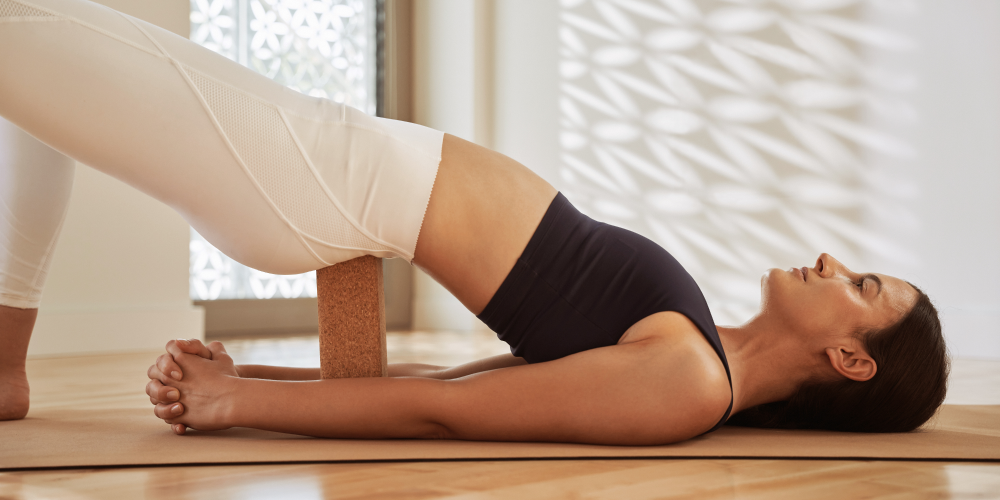
The pelvic floor muscles extend from the lower abdomen to the buttocks. They consist of two types of fibres: glycolytic and oxidative. The former enable fast and strong contractions, while the latter maintain tension for a very long time. The pelvic floor muscles have a supportive function, being a kind of “hammock” for the pelvic organs. They also provide a short-term contraction when abdominal pressure increases, e.g. when sneezing or coughing, regulating the action of the urethra and anal sphincters. Thanks to this mechanism, we do not have to worry about involuntary urination or faecal incontinence. The Kegel muscles also stabilise the trunk, ensuring correct posture and improving sexual function.
Weakening of the pelvic floor muscles occurs in both men and women, with the ladies being more prone to this when they decide to become pregnant. Any birth can lead to problems with muscle tone, which can result in problems with incontinence or painful intercourse. The pelvic floor muscles in men are most often weakened after a prostatectomy, or removal of the prostate, leading to incontinence and erectile dysfunction.
Pushing on the toilet during defecation also negatively affects the pelvic floor. For women, it can lead to lowering of the reproductive organs, which manifests as a feeling of pressure in the vagina and pain during intercourse. In men, a crooked urine stream and prolonged micturition time can occur. Pelvic well-being is also not supported by a sedentary lifestyle or excessive physical activity.
However, systematic work on one’s body during physiotherapy and appropriate exercises performed at home are able to help both women after childbirth and men after medical procedures.
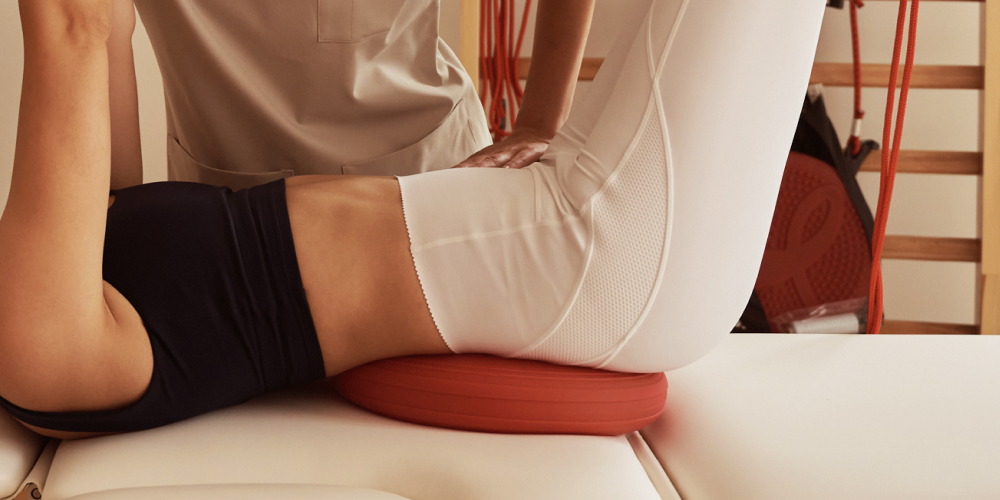
Kegel muscle exercises are associated with strengthening, but few people talk about the fact that they also aim to relax pelvic structures. Problems with increased muscle tension are indicated by painful menstrual periods or experiencing discomfort during intercourse. Therefore, urogynaecological therapy, which includes pelvic floor muscle exercises, is mainly recommended for women after childbirth who struggle with lowering of the reproductive organs, urinary and faecal incontinence. Pregnant women up to the 32nd week should focus on strengthening exercises, after which time a series of relaxation exercises are recommended, including perineal massage as a preparation for childbirth. For men, the exercises will be typically strengthening, improving bladder control and increasing sexual satisfaction.
Take care of the best conditions for your fertility.
There are many exercises for the pelvic floor muscles, but before you start doing them on your own, it is a good idea to see a urogynaecological physiotherapist and try to diagnose the problem. This is due to the different muscle groups present in the lower pelvic area, which require separate treatment.
An activity that is non-invasive and has a positive effect on the pelvic floor muscles is yoga. On the inhale, the diaphragm goes down, causing the pelvic floor muscles to tense up. On the exhale, the diaphragm lifts the viscera upwards, contracting the abdominal muscles and relaxing the pelvic floor. By practising yoga in a variety of positions, we can be sure that all the muscles of the pelvic floor, as well as the lumbar region of the spine, will be taken care of. An additional benefit of the practice is learning how to breathe properly, which will certainly be appreciated by women who are expecting a baby.
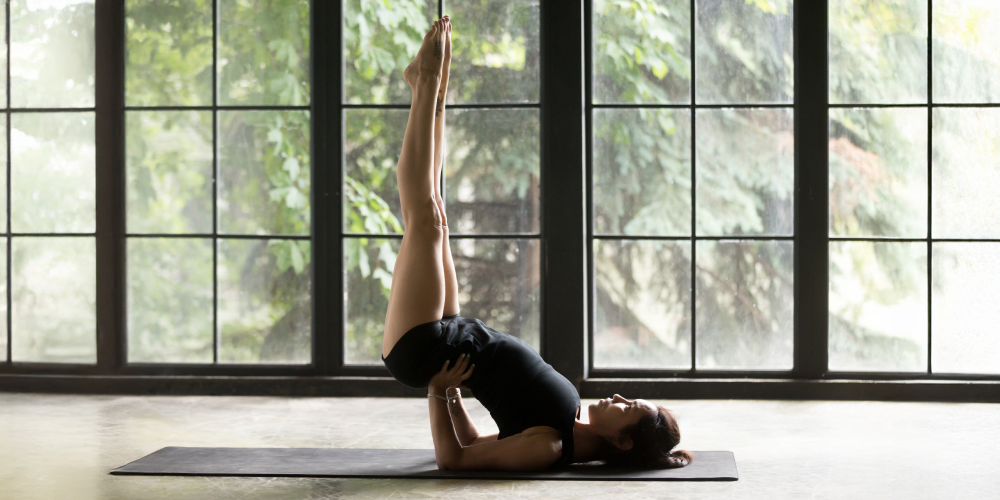
Viparita karani (Position of the legs raised on the wall) – lying on the back with the legs resting on the wall
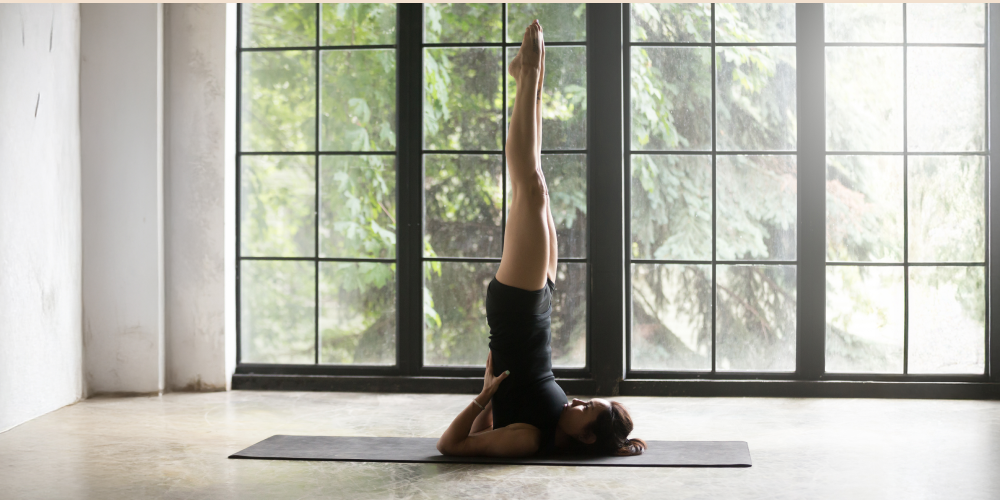
Salamba sarvangasana (Candle position) – raising the body vertically upwards, supporting the torso with the hands
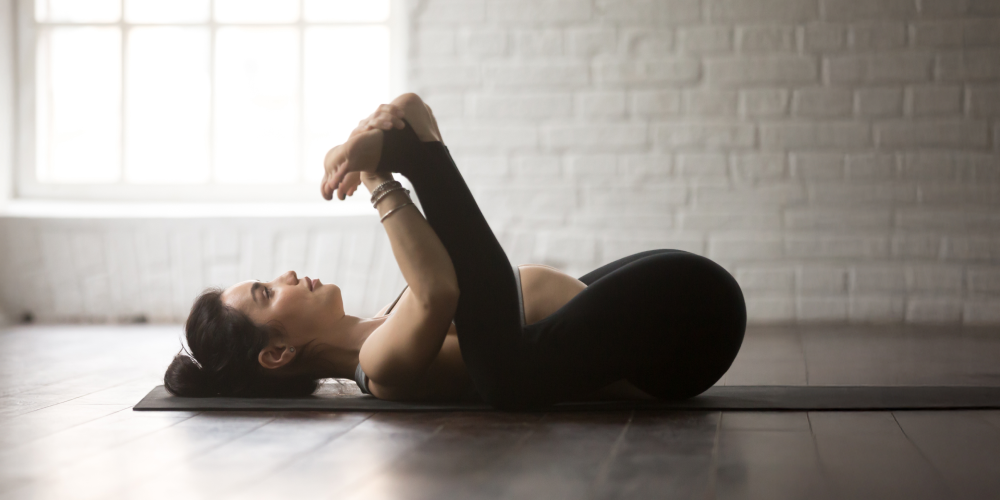
Salamba sarvangasana (Candle position) – raising the body vertically upwards, supporting the torso with the hands
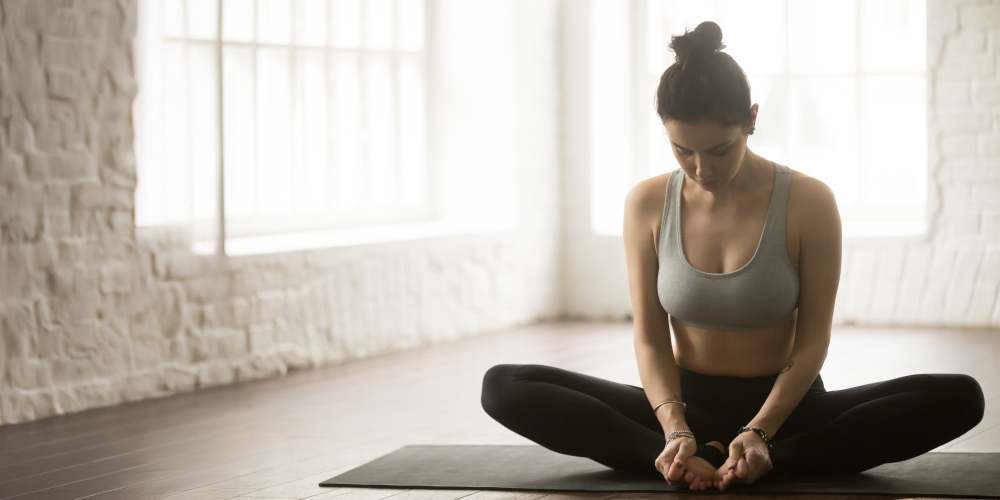
Baddha konasana (Tensed angle position) – sitting upright with legs bent at the knees and feet joined together
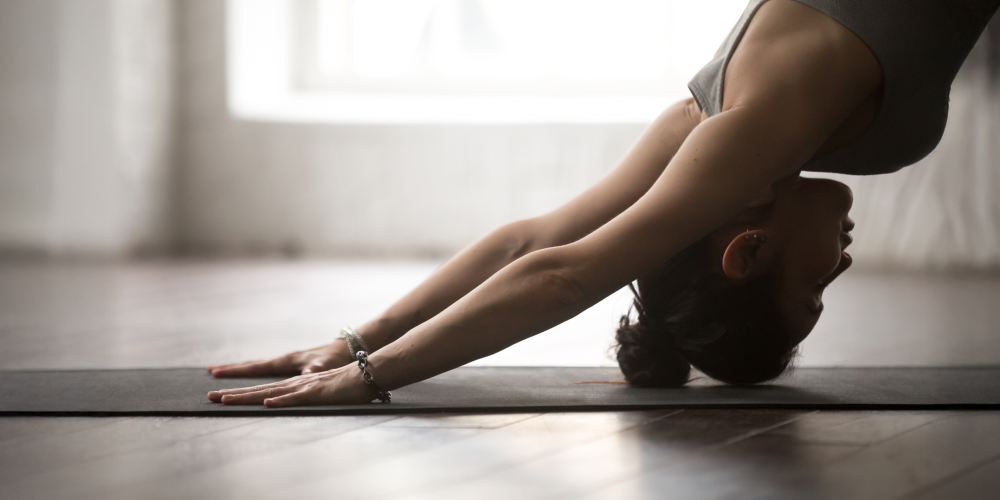
Adho Mukha Svanasana (Downward facing dog position) – standing in a V-like position with hands and feet placed on a mat
The frequency of Kegel muscle training depends on the problem the patient presents with. At the NAMI Clinic and Medical Resort, classes with the urogynaecological physiotherapist take place daily, but the exercises do not only include the pelvic floor muscles, but also the surrounding tissues. It is recommended that visits take place once a week and are repeated at least 3-4 times in consecutive weeks to assess progress. It is also of great importance that the patient follows the recommendations and exercises regularly at home. Therapy can also be used by people who want to prevent problems with urinary incontinence or other pelvic floor disorders. In that case, visits may be less frequent, as a set of basic exercises that can be done on one’s own will suffice.
NAMI Medical Resort and Clinic exclusively offers medical programs.
Professional support for your comfort.

Read more