Update date: 14 November 2025
Publish date: 6 March 2025
Read in: 11 min
Menopause is the time in every woman’s life when menstrual cycles stop. According to the World Health Organisation (WHO), menopause is defined as the last menstrual period followed by no bleeding for at least 12 months. This applies to ladies between the ages of 45 and 55. They are often then in their most active period of social and working life, and the symptoms associated with the menopause can be a major setback for them. How can you cope with hot flashes and mood swings without giving up your current activities? Find out about natural remedies for the menopause and live life to the full!

Contents
The symptoms of the menopause are due to hormonal changes caused by the decline in ovarian function. As they age, they produce less and less of the sex hormones progesterone and estrogen, so that their concentration in a woman’s body begins to decrease. This is accompanied by both physical and psychological complaints.
Hot flashes are one of the most common symptoms of the menopause, affecting up to 80% of women. They are caused by a drop in estrogen levels and often subside with hormone replacement therapy. However, there are home remedies to help reduce sudden hot flashes. Hops cone infusions will work well in this case.
Hop cones contain 8-prenylnaringenin (8-PN), a phytoestrogen that is an agonist at the estrogen receptors. This means that the substance contained in hop cones is so similar to human estrogens that the body treats it as a substitute for its own hormones. Studies have shown that it only takes six weeks of drinking infusions to feel a significant improvement in quality of life and to get rid of sudden hot flashes and other symptoms such as drenching sweats.
Herbs can provide natural support in relieving hot flashes and night sweats. Used regularly and in the right doses, they will also help to get rid of unstable moods, dry mucous membranes and sleep problems.
Some are brewed and drunk as teas (sage, lemon balm, St. John’s wort), others are made into tinctures or macerates (angelica), and some can be taken in tablet form (St. John’s wort). However, when deciding on herbal therapy, it is important to bear in mind the possibility of interaction with medication (St John’s wort with antidepressants) and the need for a break after a few weeks of supplementation.
Menopause is a challenge not only for the body, but also for the female mind. During this time is worth taking even more care of yourself – working not only on physical health and prevention, but also on emotional balance, which will help to alleviate mood swings. For a start, it is worth taking care of sleep hygiene.
The room you sleep in should be ventilated and the bedding made of breathable, lightweight material. It is also a good idea to ensure that your sleeping table is made of natural, breathable fabrics, which will further help regulate your body temperature. Immediately before going to bed, you should not use electronics that emit blue light, which inhibits the production of melatonin, known as the sleep hormone. To further calm yourself before going to sleep, it is a good idea to do a favourite practice. This could be, for example, Yoga Nidra.
Relaxation techniques and meditation also help to alleviate menopausal symptoms. With these you can easily get your emotions under control. Techniques combining gentle movement, breathing and meditation include Tai Chi and Qi Gong, which reduce stress, promote concentration and balance the body. When exercising in an enclosed space, it is a good idea to additionally support yourself with aromatherapy and the beneficial properties of essential oils. They have a relaxing, nurturing and hormone-balancing effect. Geranium, clary sage, rose, lavender, chamomile and ylang-ylang are considered ‘feminine’ oils.
Regular physical activity will also help to balance hormones. Walking, running, or light weight training not only strengthens the cardiovascular system, but also improves mood by stimulating the production of endorphins. They will also help to prevent the loss of bone density and muscle mass, as well as maintaining a healthy weight.
Support for your comfort at every stage of life.
Vaginal dryness is a common problem mainly associated with the menopause. It is a condition in which the mucous membranes lose their natural moisture, becoming susceptible to irritation. When choosing cleansing and skincare products, it is advisable to choose those that, while cleansing the skin, also moisturise and protect it. Natural means of alleviating dryness of the skin and vaginal mucous membranes are oils (coconut, linseed, with added vitamin E), which can be applied topically or orally.
A bath with natural additives: essential oils, oatmeal or baking soda can also become a nice and helpful routine. Baking soda regulates the pH of the skin, has a soothing and purifying effect and improves the absorption of cosmetics after bathing. A baking soda bath can be used 2-3 times a week by dissolving ½ cup of soda in a bath of warm water. The temperature is extremely important in this case, as hot water can have the opposite effect to that expected.
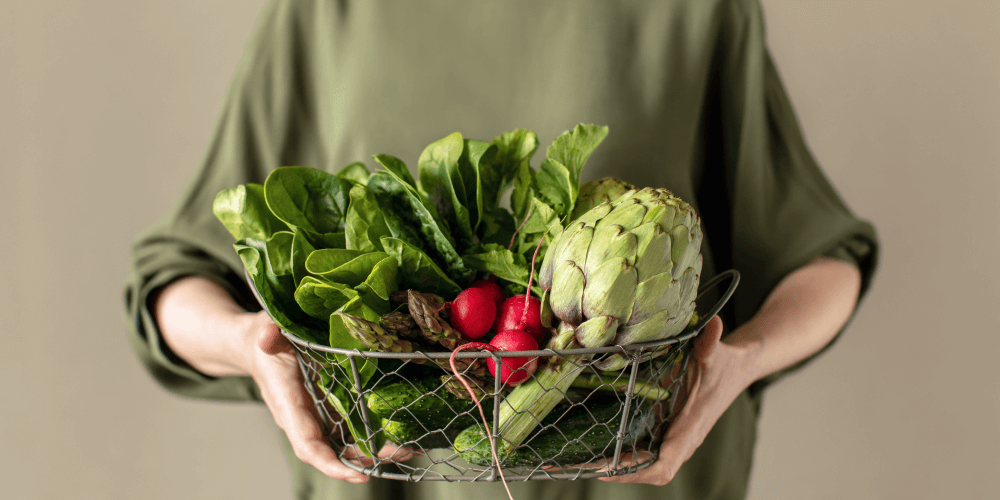
Diet plays a very important role in alleviating the problems associated with menopause. It must be balanced and rich in nutrients to support metabolism, hormone management, hydration and overall well-being.
When composing your daily meals, pay attention to increasing your intake of fibre, which supports gut health, regulates blood sugar levels, and helps control body weight. You should also limit your intake of sugars and highly processed foods to avoid inflammation in the body. It is extremely important to consume adequate amounts of protein to prevent a decrease in muscle mass. And don’t forget to hydrate your body regularly, which will alleviate the symptoms associated with dry skin and mucous membranes.
In addition, the diet of menopausal women should be rich in vegetables, fruit, oily fish, legumes, nuts, oils and whole grain products. The great importance of soya is also worth mentioning. Fermented soy products such as shoyu sauce, tempeh or miso paste, among others, contain phytoestrogens in the form of aglycones that are easily absorbed by the body. Such a diet supports heart, bone and brain health, helps regulate hormonal changes and alleviates many symptoms of menopause.
Food that feeds and nourishes.
As you can see, the issue of menopause and the associated bothersome symptoms should be approached holistically, by changing some habits or introducing new ones. It is important to observe one’s own body in order to better understand the changes taking place and to respond appropriately to any problems that arise. This allows early detection of disorders and appropriate testing and treatment. Conscious care for health reduces the risk of chronic diseases and is a solid foundation for longevity, as it helps to maintain a good quality of life for many years to come.
NAMI Medical Resort and Clinic exclusively offers medical programs.

Read more