Update date: 9 May 2025
Publish date: 5 March 2025
Read in: 5 min
Hydrotherapy was already known in ancient times. Hippocrates argued that water treatments could provide relief to those suffering from various ailments, and he himself was keen to use them. The public Roman baths, the so-called thermae, were not only a place for relaxation and hygiene but also social gatherings. In the 19th century, the benefits of hydrotherapy were recognised and popularised by Father Sebastian Kneipp and Vincenz Priessnitz, who encouraged therapeutic baths in cool water to stimulate circulation. So, what are the recommendations for the use of hydrotherapy today?
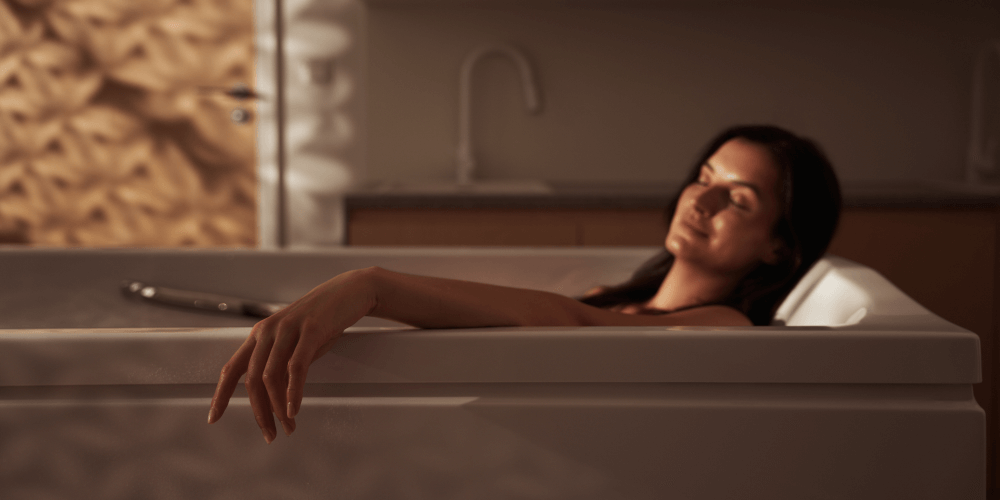
Hydrotherapy is a method of physical therapy that uses a variety of water treatments for therapeutic, rehabilitative and also preventive purposes. In addition to whirlpool baths, various types of showers, compresses and wraps are used. The application of cold water to the skin transmits temperature stimuli that cause the blood vessels to first constrict and then dilate. Such an effect improves the functioning of the circulatory, nervous and musculoskeletal systems, strengthens immunity and speeds up metabolism. Hydrotherapy also includes therapeutic baths in special bathtubs, where you can lie back and relax.
There are many types of therapeutic baths that aim to improve a patient’s overall health. At NAMI, we offer automatic zonal hydro-massage in a specialised bath with an advanced structure, specially designed for hydrotherapy treatments. These are baths to take care of your well-being.
A bathtub with a hydromassage system allows for a relaxing and therapeutic massage for the entire body. The bath makes use of the thermal effects of the water and its mechanical effects associated with the whirling motion. An automatic underwater massage bath usually takes place at a temperature of 36-37°C and the duration of the procedure varies from 10 to 30 minutes. In the specially modelled basin of the bath, there are hydromassage jets located in the patient’s back, lumbar and leg area. Face and shoulder massage is also possible.
Hydromassage, like any other therapeutic treatment, should be consulted with a doctor. This is because there are a number of contraindications to its performance.
Prevention, treatment, fertility support.
Hydrotherapy, like any therapeutic method, is not for everyone. The following are considered general contraindications to hydrotherapy: unstable cardiovascular diseases, states of exhaustion, spinal instability, severe anaemia, serious systemic diseases, psychosis, active tuberculosis and atherosclerotic and diabetic vascular diseases. In order for the therapy to be effective, it is necessary to take into account the patient’s state of health and individual needs, and then adjust the type of treatment, its duration, as well as the parameters of the water such as its state of aggregation or hydrostatic pressure. The main factor to pay attention to is the temperature of the water.
Hydrotherapy uses hot and cold water to treat a variety of bodily and mental ailments. The physical properties of water, combined with its chemical qualities, have made hydrotherapy very popular over the years. Sign up for water cure at NAMI and learn what a holistic approach to human health and well-being is. We believe you will regain your vital energy and catch your physical, mental and emotional balance with us.
NAMI Medical Resort and Clinic exclusively offers medical programs.

Read more