Update date: 18 November 2025
Publish date: 2 October 2025
Read in: 9 min
Urological physiotherapy is a specialised field of medicine that focuses on diagnosing and treating problems related to the male urogenital system. It includes effective therapies that help combat urinary incontinence, erectile dysfunction, pelvic pain and aid recovery after surgery (e.g. after prostatectomy). The therapy is based on proven physical techniques such as exercises, massages and electrotherapy, which support recovery and improve quality of life. Are you wondering what a visit to a urological physiotherapist looks like? Read the article and find out why there is nothing to fear!
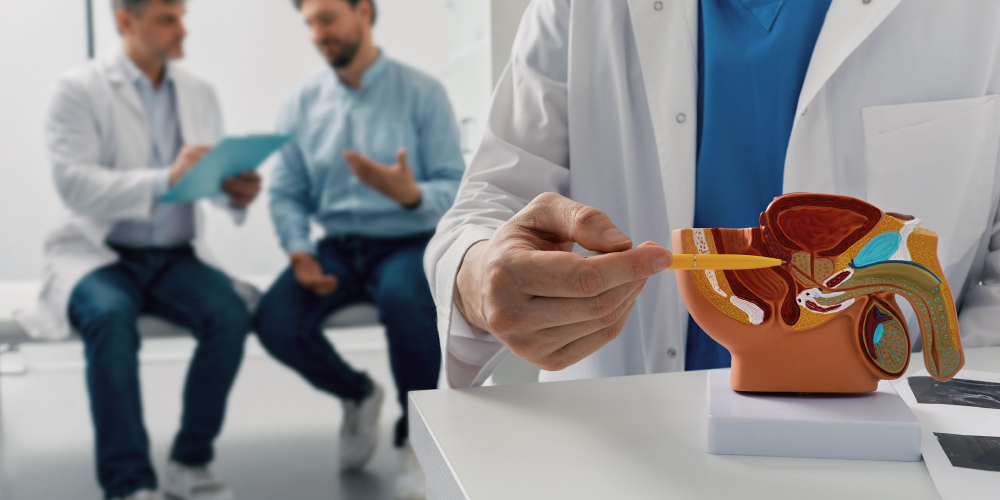
The most common complaints that men report to physiotherapists include:
Urinary incontinence
According to data from the World Health Organisation (WHO), approximately 50% of men over the age of 70 struggle with urinary incontinence. This problem may occur earlier, but many men only see a doctor when they experience pain. Urinary incontinence in men is divided into three main types: stress incontinence, urge incontinence and overflow incontinence.
Stress urinary incontinence manifests itself as involuntary leakage of urine when coughing, sneezing, laughing or during intense physical exertion. It is the result of weakened pelvic floor muscles or urethral sphincter insufficiency. It also often occurs after prostate surgery.
Urge incontinence is characterised by a sudden, strong urge to urinate, leading to uncontrolled leakage. It is usually the result of bladder overactivity, which can be caused by neurological disorders or inflammation.
Overflow incontinence is a consequence of incomplete bladder emptying and is usually associated with small amounts of urine leakage, especially at night. This is due to weakened bladder contractions or blockage in the flow of urine, e.g. due to prostate enlargement.
Overactive bladder
Overactive bladder (OAB) in men is a condition in which the bladder reacts excessively, leading to frequent, sudden and uncontrollable urges to urinate. Causes of this condition may include problems with the nervous system, urinary tract infections, enlarged prostate and other diseases such as diabetes or neurological disorders.
Treatment for overactive bladder involves exercising the pelvic floor muscles, which helps improve bladder function. Biofeedback is also often used to give the patient better control over their muscles, as well as electrostimulation to support their function. Relaxation techniques, such as breathing exercises or meditation, can reduce symptoms, especially when overactive bladder is the result of excessive stress. Setting regular breaks for urination may also be helpful.
Tension in the perineum
A feeling of constant tension in the perineum is a common problem in men. It is caused by impaired function of the perineal muscles, including the tendinous body, which leads to increased tension in the penis and anus. This tension intensifies after prolonged sitting, chronic stress, colds, and frequent coughing and sneezing. It is often accompanied by limited hip mobility, especially in terms of abduction and rotation. Treatment involves the use of biofeedback and electrotherapy to help relax the muscles, as well as working with a psychologist to reduce stress.
Urological physiotherapy is also a form of prevention and preparation for urological surgery (known as prehabilitation).
Radical prostatectomy, or surgical removal of the prostate gland, is a common form of treatment for prostate cancer. After prostatectomy, problems such as urinary incontinence or erectile dysfunction may occur, and the main cause of these conditions is the weakening or damage of the pelvic floor muscles, which play an important role in maintaining the function of the bladder and genitals. Urological physiotherapy helps to strengthen them and restore their proper functioning.
Rehabilitation begins with a detailed interview and assessment of the patient’s condition. On this basis, the physiotherapist develops an individual therapy plan, which may include:
The duration of rehabilitation depends on the individual needs of the patient and can range from 6 weeks to several months. The first effects are usually noticeable after just a few weeks of regular exercise.
Radical prostatectomy, or surgical removal of the prostate gland, is a common form of treatment for prostate cancer. After prostatectomy, problems such as urinary incontinence or erectile dysfunction may occur, and the main cause of these conditions is the weakening or damage of the pelvic floor muscles, which play an important role in maintaining the function of the bladder and genitals. Urological physiotherapy helps to strengthen them and restore their proper functioning.
Rehabilitation begins with a detailed interview and assessment of the patient’s condition. On this basis, the physiotherapist develops an individual therapy plan, which may include:
The duration of rehabilitation depends on the individual needs of the patient and can range from 6 weeks to several months. The first effects are usually noticeable after just a few weeks of regular exercise.
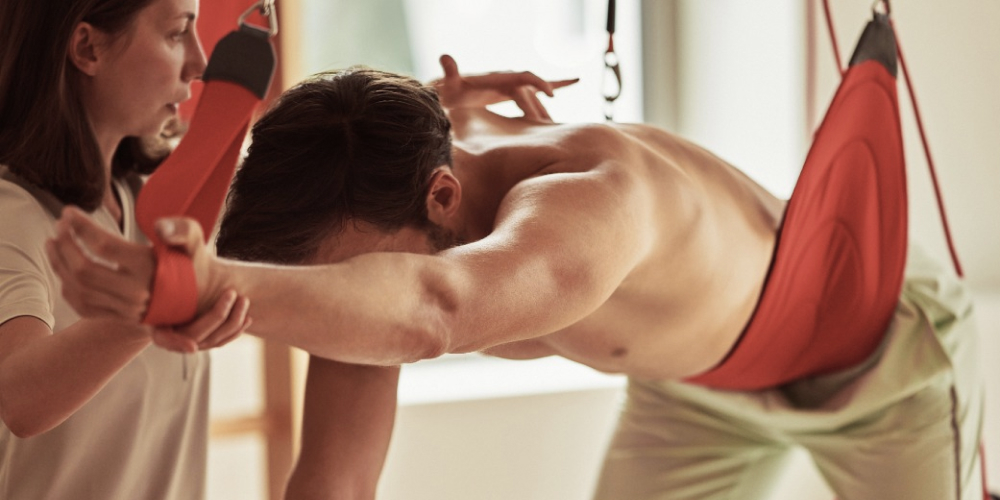
Several effective methods are used in urological therapy, such as:
At NAMI, we know that urological problems affect not only physical health, but also emotional well-being and intimate life. That is why we offer an individual approach, modern treatment methods and accurate diagnostics to improve the quality of life of our patients. The sooner you start therapy, the faster you will regain your fitness and well-being. Do not put off your visit to a specialist – urological physiotherapy is effective support for men of all ages.
NAMI Medical Resort and Clinic exclusively offers medical programs.
Do you require effective treatment?

Read more