Update date: 18 November 2025
Publish date: 2 October 2025
Read in: 13 min
Chronic pain is a problem that affects millions of people around the world and can significantly reduce quality of life. More and more studies indicate that physiotherapy is an effective and safe method of pain reduction. It is based on controlled movement and manual techniques aimed at restoring normal body functions. Appropriately selected exercises not only help to relieve pain, but also improve fitness, strengthen muscles, increase range of motion and prevent recurrence of symptoms. As a result, physiotherapy becomes not only a form of treatment, but also a means of prevention and support in maintaining everyday health. In this article, we will focus on urogynecological and urological physiotherapy, which can bring relief to people struggling with urinary incontinence, pelvic pain and sexual dysfunction.
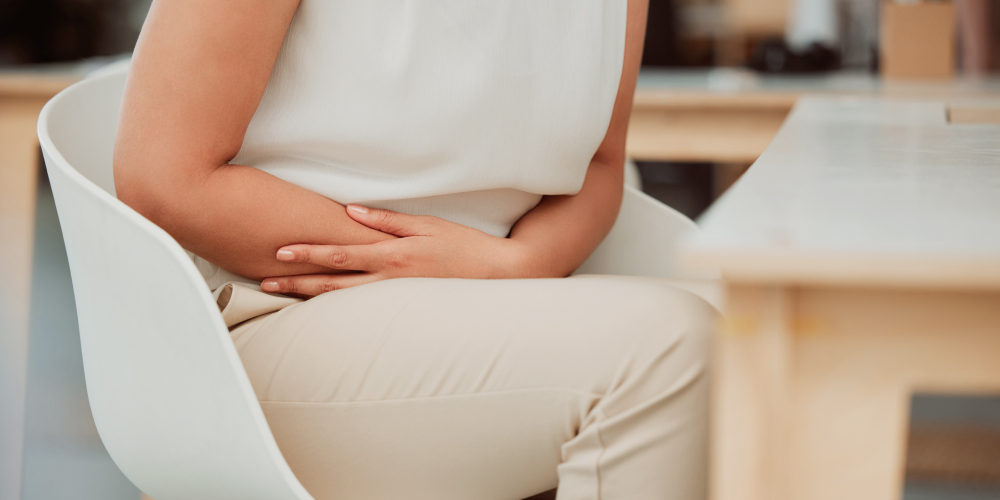
A visit to a physiotherapist often begins with a discussion about the nature of the pain. There are two main types of pain: acute and chronic. The former occurs suddenly, usually as a result of injury, tissue damage or illness. It is short-lived, usually disappearing after a few days or weeks as the healing process progresses. Chronic pain, on the other hand, lasts for at least three months, often much longer, even after the original cause has been treated, and in some cases can accompany the patient for years. It is in the fight against this type of pain that physiotherapy can help.
Are you struggling with constant pain?
Urogynecological physiotherapy is a specialised form of rehabilitation aimed at preventing and treating disorders of the pelvic floor muscles and lower pelvic organs. It is primarily intended for women, as it addresses the specific needs arising from female anatomy and physiology. Changes in the body during menstruation, pregnancy, childbirth, postpartum or menopause can lead to conditions such as urinary incontinence, pelvic pain or discomfort during intercourse. Urogynecological physiotherapy is used to prevent these problems and, if they do occur, to effectively alleviate or eliminate them.
Painful periods are one of the most common gynecological complaints in women. However, this problem is often underestimated, as many women treat pain as something ‘normal’ and, as a result, do not seek help.
Painful periods can be divided into:
Painful menstruation manifests itself as pain in the suprapubic or lumbar region, which occurs several hours before the onset of bleeding or immediately after it begins. The most severe symptoms occur within 24–48 hours, i.e. during the period of heaviest blood flow. The pain usually subsides after 2–3 days, when the volume of menstrual blood decreases. In the case of secondary painful menstruation, the pain may appear even before menstruation and persist after it ends – for up to 72 hours.
Dysmenorrhoea is associated with increased secretion of prostaglandins, chemical compounds that regulate various bodily reactions. Their excess causes constriction of the blood vessels supplying blood to the uterus and disturbances in its contractions. As a result, hypoxia and ischaemia of the uterine tissues occur, and the nerve endings become more sensitive, causing pain.
Urogynecological physiotherapy offers a variety of techniques that can effectively alleviate the symptoms associated with painful menstruation. The therapy uses, among other things, manual techniques in the lumbar region, stretching exercises, myofascial release techniques and pelvic floor muscle training. This form of treatment works through several mechanisms: reducing uterine contractions, reducing muscle tension in the abdomen and pelvis, improving circulation, modulating the nervous system, and providing anti-inflammatory effects. The treatments are supplemented by regular physical activity, which strengthens the abdominal muscles, improves pelvic and spinal stability, increases tissue elasticity, improves muscle function and improves blood flow. All these elements effectively reduce menstrual pain.
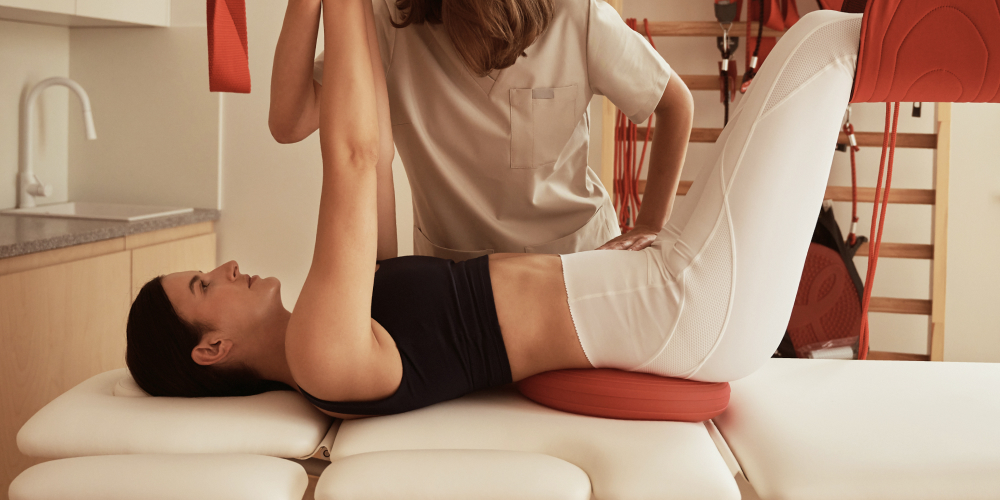
Dyspareunia is recurrent or chronic pain during sexual intercourse, which can significantly affect women’s physical and mental health. It occurs in various forms – superficial, deep or generalised – and can appear at any stage of life, e.g. after childbirth or during perimenopause.
The causes of pain can be complex – ranging from vaginal dryness, scarring and muscle tension, to endometriosis or chronic diseases, to psychological factors such as stress or anxiety. Postpartum dyspareunia is also common, especially after vacuum-assisted deliveries or perineal incisions/tears. Pain may also occur with reduced oestrogen levels during breastfeeding.
Urogynecological physiotherapy is an effective form of treatment, including manual therapy, biofeedback, breathing exercises, relaxation techniques and gradual vaginal dilation. An individual approach, accurate diagnosis and cooperation between the gynaecologist, physiotherapist and psychologist are key.
Endometriosis is one of the most common gynecological diseases, affecting up to 8–11% of women of reproductive age. It is characterised by the presence of endometrial tissue, i.e. the lining of the uterus, outside the uterine cavity. These lesions, like normal endometrium, respond to cyclical hormonal fluctuations, leading to internal bleeding. This results in chronic inflammation, adhesions and fibrosis.
The most characteristic symptom of endometriosis is painful menstruation, but the disease is often accompanied by other complaints. These may include pain during intercourse, bowel movements or urination, chronic pelvic discomfort, digestive problems, abdominal pain and migraines. Painful bladder syndrome and swelling in the abdominal area are also common.
The treatment of endometriosis is usually based on hormone therapy or surgery. Although effective, these methods may be associated with side effects. Therefore, less invasive forms of support, such as urogynecological physiotherapy, are becoming increasingly important.
The therapy includes manual techniques on soft tissues, joint mobilisation, work with the nervous system and breathing exercises. This helps to reduce tension in the pelvis, improve tissue elasticity and relieve pain.
Studies show that regular body work and appropriately selected exercises modulate the nervous system, support tissue regeneration processes and can reduce the severity of pain symptoms. As a result, urogynecological physiotherapy is a valuable complement to the treatment of endometriosis, contributing to an improvement in patients’ quality of life.
Urological physiotherapy is a specialised branch of medicine dealing with the diagnosis and treatment of disorders of the male urogenital system. It offers effective methods to support the treatment of urinary incontinence, erectile dysfunction, pelvic pain, and aids in the recovery process after surgeries such as prostatectomy. It uses proven physiotherapy techniques, including exercises, massage and electrotherapy, which promote regeneration, restore bodily functions and improve quality of life.
Perineal pain in men is not a disease in itself, but a common symptom of many different conditions. It can significantly reduce quality of life, affecting not only daily functioning, but also intimacy and comfort. The pain may affect not only the perineum itself, but also the entire pelvis, the lumbar spine area, and sometimes radiate to the lower limbs. It is often accompanied by symptoms from the genitourinary system, including difficulty emptying the bladder, urinary incontinence or urgent urination.
In the case of perineal pain, it is extremely important to consult a specialist who will help determine the cause and implement appropriate treatment. One method of support is urological physiotherapy, which plays an important role in the diagnosis and treatment of perineal pain in men. The diagnostic process includes a detailed interview, assessment of posture, muscle tone, abdominal wall, and a transrectal examination. The physiotherapist may also use ultrasound and biofeedback to assess pelvic floor muscle function. It is also important to analyse post-operative scars, which can affect tissue tension and function.
Ergonomics in everyday life is very important in therapy – avoiding prolonged sitting, especially on hard surfaces, taking short breaks to move around during office work, and regular physical activity. Building body awareness also plays an important role: learning breathing techniques, correct postural patterns and education on healthy habits that support regeneration and reduce the risk of pain recurrence.
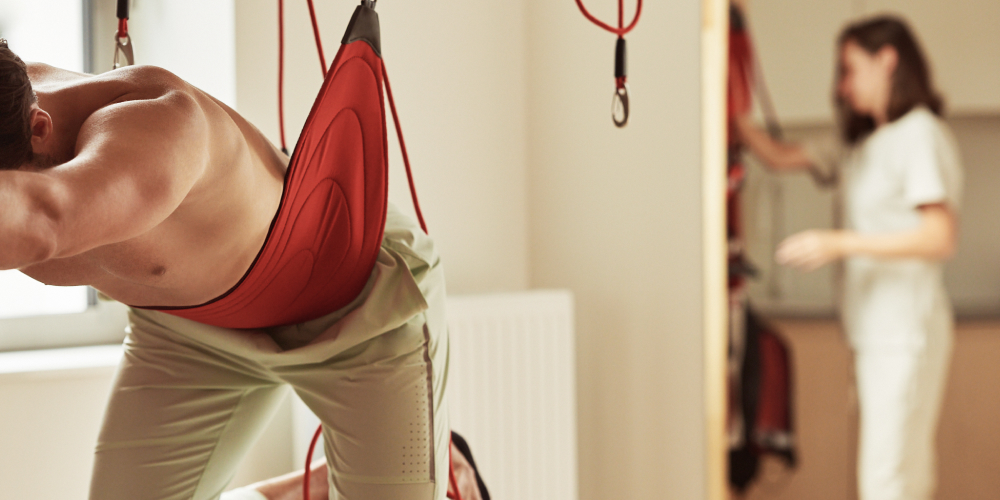
Pain after ejaculation occurs in 1–25% of men and can significantly reduce quality of life, affecting physical health as well as emotional and sexual well-being. It most often occurs during orgasm in the form of severe pain that may radiate to the testicles, perineum or lower abdomen. The discomfort can last from a few seconds to up to two days, but usually decreases in intensity over time.
The most common causes include infections and inflammation of the genitourinary system, benign prostatic hyperplasia, obstruction of the vas deferens, and complications after prostatectomy. Treatment depends on the source of the problem and may include prescription medication, surgical treatment, and supportive methods such as urological physiotherapy.
This form of treatment is particularly useful when the pain is caused by muscle tension, mechanical disorders or abnormal functioning of the pelvic floor structures. Manual therapy, massage and lymphatic drainage help to reduce painful tension and improve circulation in the pelvic area. Relaxation exercises and pelvic floor muscle training teach the patient conscious control over this area, which can reduce discomfort during and after ejaculation. In addition, electrostimulation and biofeedback are also used to facilitate muscle re-education and increase the effectiveness of therapy.
Are you experiencing pain that you cannot cope with? At NAMI, you will find specialists who will accurately diagnose your health problems and help you regain your quality of life. Our urogynecological and urological physiotherapists work with patients struggling with pelvic floor pain, urinary incontinence, painful periods, posture defects, organ prolapse and post-operative discomfort, using modern manual therapy methods, strengthening exercises and biofeedback. Do not put off treatment – find out how we can help you too!
NAMI Medical Resort and Clinic exclusively offers medical programs.
Do you require effective assistance?

Read more