Main therapeutic techniques for alleviating the symptoms of urinary incontinence
- Pelvic floor muscle exercises (Kegel)
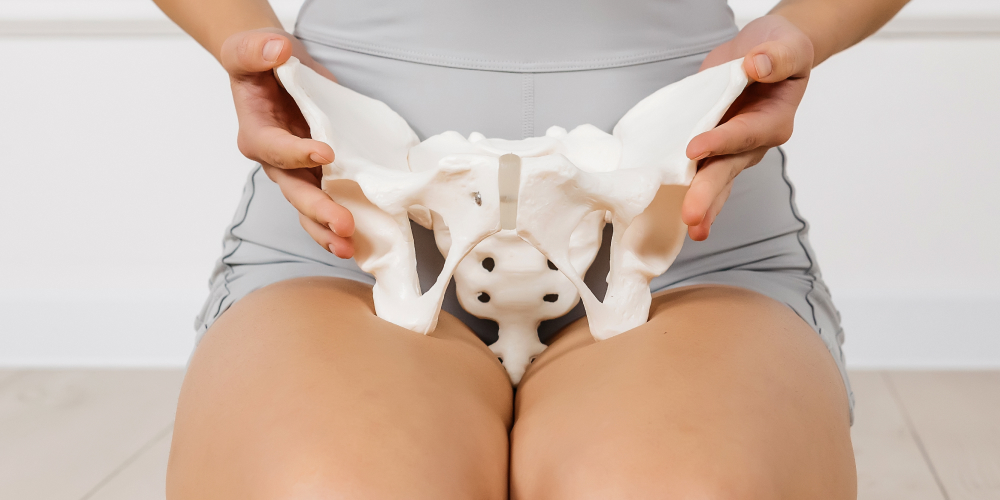
These exercises strengthen or relax the muscles responsible for supporting the bladder and urethra, promoting their proper functioning. Regular pelvic floor muscle exercises improve muscle tone, which helps to manage stress urinary incontinence. They are also recommended for men, especially after prostate surgery, to prevent uncontrolled urine leakage. - Biofeedback and electrostimulation
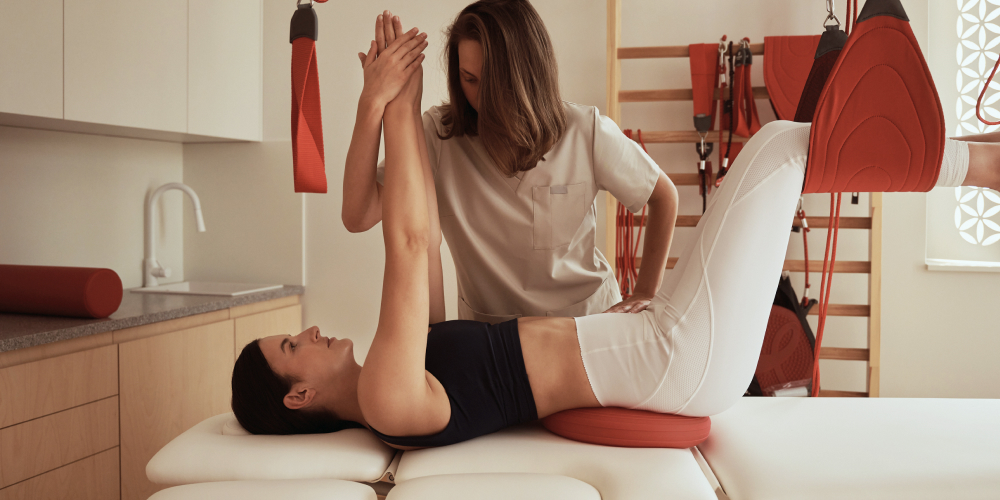
Biofeedback allows patients to monitor their pelvic floor muscle tension in real time. This makes it easier to learn how to tense and relax these muscles correctly. Electrostimulation, on the other hand, involves the use of electrical impulses that cause the pelvic floor muscles to contract and support the improvement of their function. - Respiratory and postural therapy
Proper breathing and posture support the work of the pelvic floor muscles. Disorders in these areas can cause tension, weakness, and coordination problems, which affect stabilizing functions. Breathing exercises using the diaphragm relax the pelvic structures, improve flexibility, and regulate abdominal pressure. Posture correction ensures optimal alignment of the pelvis, spine, and chest, facilitating cooperation between the diaphragm, deep muscles, and pelvic floor.