Update date: 23 April 2025
Publish date: 25 March 2025
Read in: 14 min
In a world full of stress and tension, more and more people are looking for effective relaxation methods to help quiet the mind and regenerate the body. One such technique is autogenic training by Johannes Schultz, a method based on autosuggestion that allows one to enter a state of deep relaxation, neuromuscular relaxation and the restoration of inner harmony. Used both in stress therapy and to treat various psychosomatic complaints, it is becoming increasingly popular. What exactly is Schultz autogenic training, what effects does it have and can anyone do it? You will find the answers in this article.
Contents
Schultz autogenic training is a deep relaxation technique based on autosuggestion that helps to restore the body’s psycho-physical balance. Its aim is to gradually achieve a state of relaxation by focusing attention on sensations coming from the body. The technique produces effects similar to meditation and hypnosis, but its mechanism of action is based on conscious directing of attention and suggestion, which allows physiological reactions to be actively influenced.
Through regular practice of autogenic training, tense muscles can be effectively relaxed, stress levels reduced and the functioning of the nervous system improved. It helps regulate heart rate, blood pressure and breathing, making it an effective tool to support both mental and physical health. The technique is used in the treatment of anxiety disorders, psychosomatic problems, as well as in rehabilitation and sports, where it is used to accelerate recovery and increase resistance to stress.
Autosuggestion is the process by which the mind consciously influences body sensations by directing attention and evoking specific sensations. In the context of Schultz’s autogenic training, it involves making suggestions about physical sensations, such as a feeling of heaviness or warmth or the relaxation of particular muscles.
During the training session, the trainer utters specific commands, for example: ‘Your right hand becomes heavy’, “Your feet become warm” or “You breathe lightly and freely”. The mind, following these suggestions, activates the mechanisms responsible for the body’s physiological response. This process achieves deep relaxation, regulates muscular tension and reduces the activity of the sympathetic nervous system, resulting in stress reduction and improved well-being.
Autosuggestion used in autogenic training is an effective tool to support the body’s self-regulation. Regular practice allows conscious control of the body’s reactions, which can be helpful in managing pain, stress and also in improving sleep quality. As a result, practitioners learn how to influence their own well-being, achieving greater control over physiological and emotional reactions.
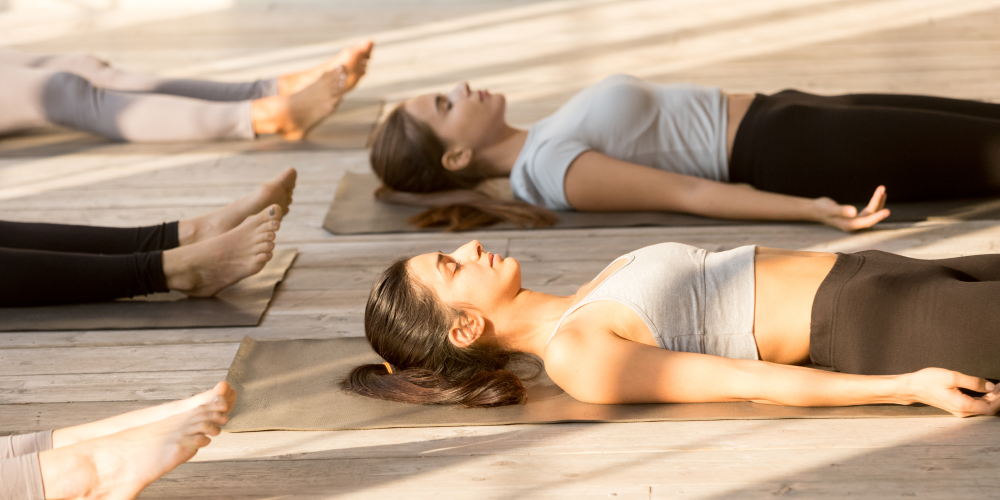
How to perform autogenic training? This relaxation technique takes place in a lying position, in a comfortable environment that promotes deep relaxation. The practitioner lays down on a mat or bed, covered with a blanket to keep the body feeling safe and warm. It is crucial to find a comfortable position that allows full relaxation and freedom of small movements, such as gently adjusting the position of the head, arms or legs.
The session usually takes place in a quiet, peaceful environment and is often accompanied by relaxation music or gentle nature sounds to aid the calming process. The training itself focuses on a gradual relaxation of the muscles through autosuggestion – the facilitator directs the participant’s attention to successive parts of the body, suggesting a feeling of heaviness, warmth and a calming of the breathing and heart rate. This activates the parasympathetic part of the nervous system, responsible for regeneration and relaxation of the body.
The technique is compared to yoga Nidra , as both methods are based on conscious relaxation and deep tranquillity. In autogenic training, however, the key role is played by autosuggestion and the conscious control of body sensations, which makes this method particularly effective in reducing nervous tension, improving psychophysical balance and supporting the body’s regenerative processes.
Schultz autogenic training consists of six phases, each aimed at gradually deepening relaxation and achieving complete harmony between body and mind. The process is based on an elaborate autosuggestion, whereby the trainee focuses his or her attention on specific physical sensations, gradually influencing the body’s psycho-physical state.
The first stage is to create a sensation of heaviness in the body. The practitioner concentrates on successive muscular parts – starting with the limbs and gradually feeling their increasing weight. Suggestions such as ‘Your leg is becoming heavy’, ‘Your hand is falling, becoming heavier’ help to achieve deep relaxation. This sensation is the result of a reduction in muscular tension and the activation of the parasympathetic part of the nervous system, which is responsible for the body’s regeneration.
The next stage involves creating a sensation of warmth that spreads through the body. Autosuggestion focuses on directing attention to particular parts, e.g. ‘your hands become warm’, ‘warmth envelops your legs’. This effect is due to the dilation of blood vessels and improved blood flow, which further supports the relaxation process.
The next stage is to focus on the heart rhythm and its calming. Repeating suggestions such as ‘the heart beats calmly and rhythmically’ helps to stabilize the heart rate and lower blood pressure. This phase supports those experiencing emotional tension or stress and improves the overall balance of the autonomic nervous system.
The next step is to consciously direct attention to the breath, which naturally becomes deeper and more regular. The practitioner hears commands such as ‘your breathing is calm, even and relaxed’, which promotes calmness and increased oxygenation of the body.
The focus then shifts to the abdominal area and solar plexus – a key nerve centre responsible for stress reactions. The autosuggestion of warmth in this zone promotes relaxation of the internal organs, thereby improving digestion and reducing tension in the abdominal area.
The final step is to direct attention to the forehead and evoke a feeling of coolness, which symbolically closes the relaxation process, refreshing the mind and helping to return to a state of full awareness. Suggestions along the lines of ‘Your forehead is pleasantly cool’ help to maintain clarity of thought and a harmonious end to the session.
Systematic practice of Schultz autogenic training leads to the development of the ability to consciously influence the physiological reactions of the body, resulting in deep relaxation, stress reduction and an improvement in overall well-being.
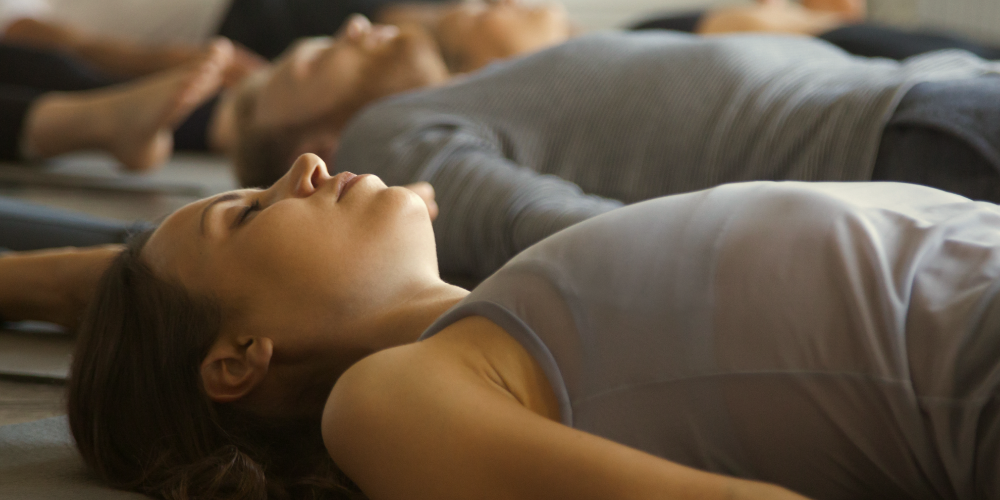
Schultz autogenic training is a method whose main objective is to rebalance the autonomic nervous system, which regulates bodily functions independently of our will. It influences the harmony between the sympathetic (responsible for the stress response and mobilisation of the body) and parasympathetic (responsible for regeneration and relaxation) systems. As a result, the practice effectively reduces tension, promotes better wellbeing and improves physiological functions. Regular practice has many health benefits:
Autogenic training is an effective method to support mental and physical health and is recommended for both prevention and supportive therapy.
Are you feeling fatigue, the effects of chronic stress and tension?
This method of deep relaxation is considered safe and suitable for most people, regardless of age or physical condition. Due to its gentle, non-invasive form, there are no strict contraindications to its use. However, in some cases, it is worth exercising caution or consulting a specialist before practising.
People with neurological and psychiatric disorders, such as autism, schizophrenia or major depressive episodes, may respond differently to training, so prior consultation with a doctor or therapist is advisable. In the case of autism spectrum disorders, the way the body processes commands and feels can differ, which can affect the effectiveness and comfort of the exercises.
Training is also not recommended during acute medical conditions such as high fever, infections or inflammation, when the body is weakened and unable to fully focus on the relaxation process.
Pregnancy is not a contraindication to autogenic training – on the contrary, it can help mothers-to-be to learn breath control, body awareness and tension reduction, which can be beneficial both during pregnancy and during childbirth.
Schultz autogenic training is a universal method of relaxation and can be used by people of all ages, but it is always worth consulting your doctor or therapist if you have any doubts.
Schultz autogenic training is widely used in rehabilitation and regenerative medicine. It is used in spas and therapy centres as it supports the recovery process after injuries, operations and in the treatment of chronic pain. By reducing muscle tension and improving circulation, it can accelerate recovery, making it an effective support in the treatment of musculoskeletal and neurological conditions.
Autogenic training can be done at any time of day, but choosing the right time can affect its effectiveness. Evening practice promotes calmness in the body and improved sleep quality, making it ideal for those struggling with insomnia. During the day, on the other hand, it can help manage tension and stress, especially in situations that require concentration and emotional balance. Even a short session during a break from work can benefit from increased resilience to stress and improved well-being.

Regular practice of autogenic training allows for a deeper awareness of the body and its reactions to stress. Those who use this method learn how to effectively influence their mood, regulate tension and maintain inner balance. It is not only a relaxation technique, but also a tool to support emotional self-control – it can help you to better manage stress in everyday situations, such as work tensions, difficult conversations or the fast pace of life.
Medical Schultz autogenic training is an effective method to support mental and physical health and is accessible to everyone, regardless of age or condition. If you want to experience deep relaxation and improve your well-being, come to NAMI where you can discover the full potential of this method under the guidance of experienced professionals.
NAMI Medical Resort and Clinic exclusively offers medical programs.

Read more