Update date: 19 March 2026
Publish date: 16 March 2026
Read in: 11 min
Prehabilitation is a comprehensive process of preparing a patient for surgical treatment, as well as for other types of significant physical exertion, such as childbirth. Various prehabilitation activities – orthopedic, urogynecological, or urological – support faster recovery. Their implementation also reduces the risk of postoperative complications. Learn about all the benefits of prehabilitation and see how it could also help your treatment process.
Contents
Prehabilitation is conscious preparation for a planned physical strain on the body – most often surgery, childbirth, or intense physical exertion.
The term “prehabilitation” originates from perioperative medicine and complements traditional rehabilitation. While rehabilitation restores function after an injury or surgery, prehabilitation prepares the tissues and neuromuscular system before the procedure, increasing their efficiency, blood supply, function, and ability to regenerate.
This field originally developed in oncological surgery and orthopedics. It arose when it was noticed that patients who were better prepared physically and respiratorily:
In orthopedic prehabilitation, particular emphasis is placed on restoring musculoskeletal function and preparing the patient for specific postoperative stresses.
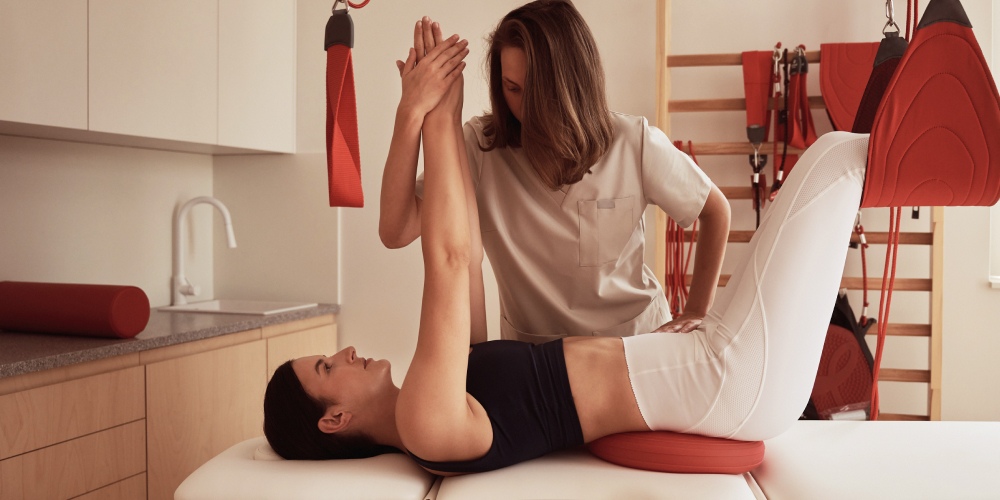
In the context of urogynecological and urological physical therapy, prehabilitation involves working on the pelvic floor muscles, breathing, posture, and habits. This is a preventive approach aimed at reducing the risk of complications and accelerating recovery.
Prehabilitation does not replace surgery, but it significantly influences its outcomes.
In orthopedics, it contributes to:

Urogynecological and urological prehabilitation, on the other hand, contributes to:
For surgeries involving the lower pelvis (e.g., procedures for organ prolapse, hysterectomy, prostate surgery), pelvic floor muscle function and control of intra-abdominal pressure are critical. If these structures are strengthened beforehand and the patient knows how to activate them properly, the body copes better with the surgical stress.
Take advantage of the prehabilitation process at NAMI and strengthen your body. You’ll return to full strength faster.
In the field of orthopedics, we can distinguish several areas of focus:
Patients with low fitness levels who tire quickly and become short of breath even with minimal exertion are at a much higher risk of complications. Therefore, endurance (aerobic) training, along with strength and respiratory training, is one of the key elements of physical preparation for surgery.
The primary goal is to increase cardiorespiratory reserve, enabling the body to better adapt to the increased oxygen demand during surgery and in the immediate postoperative period. Furthermore, it has been shown that endurance exercise effectively reduces preoperative pain and improves overall physical fitness while waiting for surgery.
Patients preparing for surgery should aim to follow the basic recommendations of the World Health Organization, which means 150–300 minutes of moderate-intensity aerobic physical activity per week or 75–150 minutes of high-intensity activity.
As part of prehabilitation, patients are encouraged to engage in physical activity for at least 30 minutes a day (preoperative minimum), though the type of activity must always be tailored to the patient’s capabilities and clinical condition. Planning such training for high-risk patients (the elderly, those with heart disease) should be handled by a physical therapist in collaboration with a cardiologist or anesthesiologist.
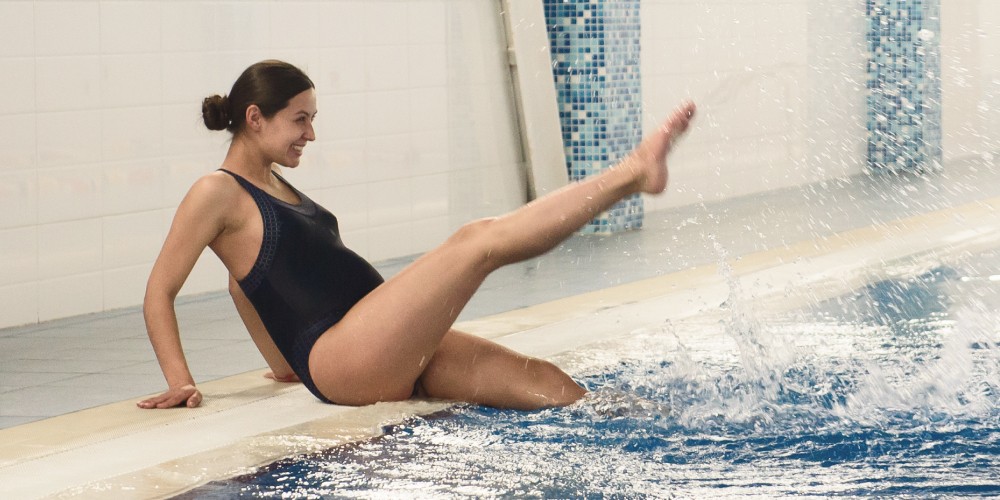
In orthopedic prehabilitation, forms of exercise are selected that are gentle on the joints while building endurance. These include, in particular:
To properly support you before and after surgery, injury, or trauma.
In urogynecological and urological physical therapy, prehabilitation includes, among other things:

Orthopedic prehabilitation is recommended for all patients awaiting scheduled surgery.
Such measures are particularly important for:
This applies, among other things, to procedures for pelvic organ prolapse, hysterectomy, abdominal surgery (laparotomy/laparoscopy), or prostatectomy. Studies show that strengthening and learning to control the pelvic floor muscles beforehand reduces the risk of postoperative urinary incontinence, shortens recovery time, and supports the restoration of impaired pelvic floor function.
Preparing the pelvic floor for vaginal delivery or cesarean section allows you to:
This applies to both women after childbirth and individuals starting intense training (e.g., running, strength training, competing in sports) or returning to it after various surgical procedures. A functional pelvic floor is the foundation for proper deep muscle function and control of intra-abdominal pressure.
Preparation for abdominoplasty applies to both women and men. Properly conducted measures can help reduce diastasis recti and lower the risk of issues related to healing and the quality of the postoperative scar. A key element of preparation is learning proper control of the pelvic floor muscles and conscious management of intra-abdominal pressure, which promotes, among other things, better tissue healing.
The optimal duration of prehabilitation is usually 4-8 weeks.
For patients preparing for major lower limb surgeries, such as knee replacement, combining prehabilitation (including cardiovascular training) with education approximately 30 days before the procedure can reduce the need for postoperative care by 29 percent.
Patients choosing prehabilitation at the NAMI Medical Resort and Clinic are cared for by an interdisciplinary team of specialists, including orthopedic and urogynecological/urological physical therapists, physicians, dietitians, and psychologists. Guests at our center benefit from medical training, yoga classes, as well as access to the gym and swimming pool.
We actively utilize treatments and methods that help reduce pain and inflammation, including cryotherapy, radiofrequency therapy, acupuncture, and shockwave therapy. We also prioritize nutritional prehabilitation. We provide access to a dietitian who assesses the patient’s nutritional status, can detect and treat malnutrition, and provide personalized dietary recommendations. Meals are provided by NAMI Restaurant – Poland’s first restaurant dedicated to longevity.
We also support you in quitting addictions, as stopping smoking and drinking alcohol significantly reduces the risk of infections and circulatory complications – not only after surgery.
NAMI Medical Resort and Clinic exclusively offers medical programs.
It’s possible! Take advantage of comprehensive care at NAMI even before your procedure or delivery and actively take care of your health.

Poczytaj więcej