Update date: 26 March 2026
Publish date: 18 June 2025
Read in: 9 min
Cupping is a therapeutic method that was already known in ancient Egypt and is still very popular today. The Chinese are considered to be the fathers of this treatment method, who used cupping to fight colds, upper respiratory tract infections and other inflammatory conditions in the body. What does modern medicine say about cupping? How is it used and are it effective? Find out the answers to your questions and see if cupping therapy is for you.
Contents
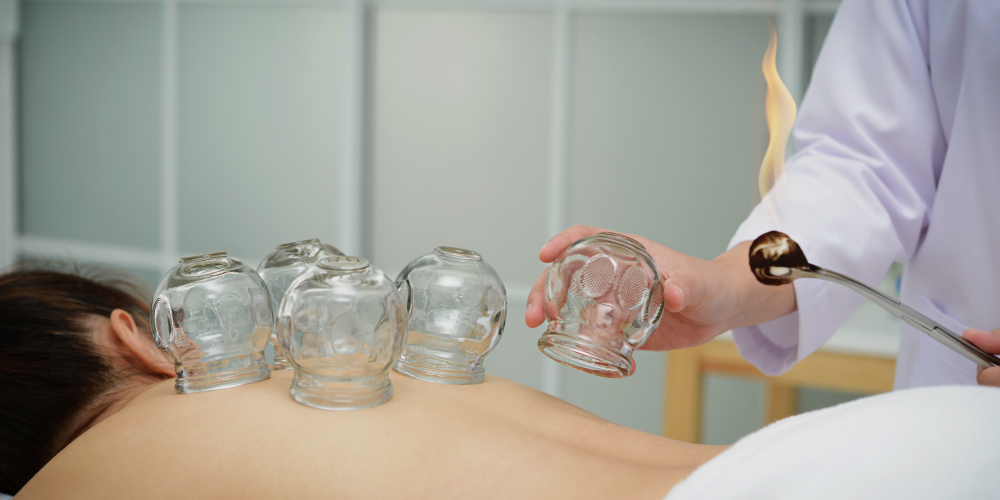
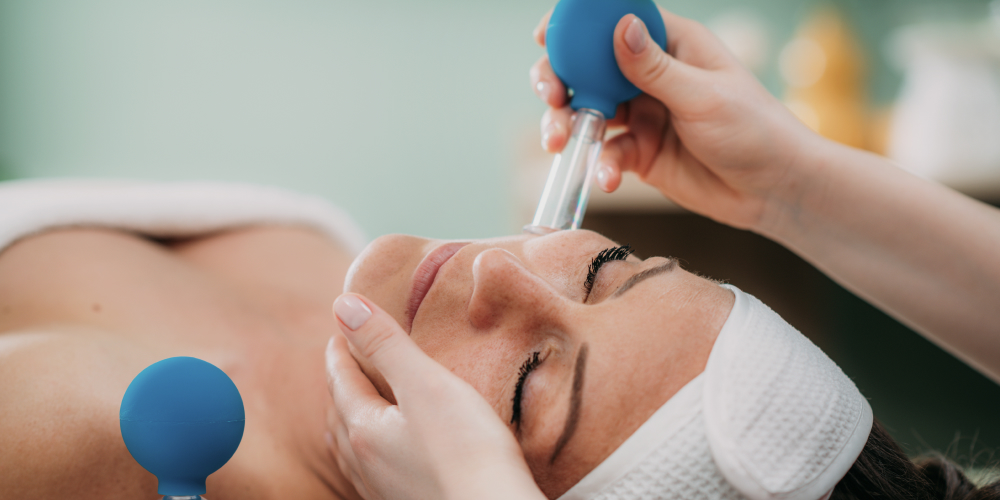
There are three types of medical cups: silicone (rubber), fire (made of glass) and vacuum. Silicone cups are used for facial physiotherapy and scar therapy. Glass medical cups are used in the treatment of colds, flu, and various other conditions. Another type of cups is vacuum cups, which are used for cupping therapy, or fascial massage. The therapy involves placing the cups on the skin to create negative pressure, which regulates blood flow, promotes lymphatic drainage and relieves tension in the fascia – the thin, elastic tissue that surrounds muscles, joints and internal organs. When the fascia is tight, the patient may complain of pain, restricted mobility and a feeling of stiffness in the body. With appropriate stimulation of the fascia with massage cups, we are able to get rid of these complaints.
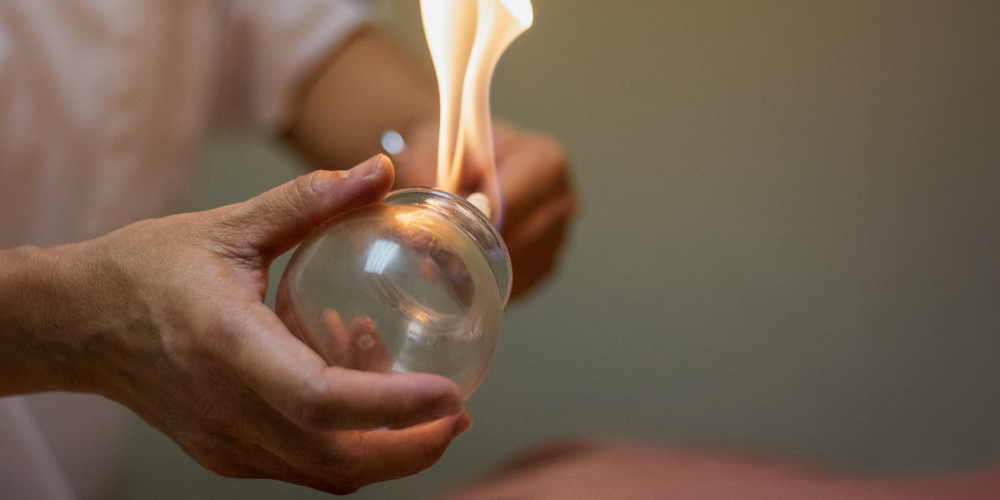
The procedure for placing fire cups lasts between 15 and 20 minutes. Glass cups are applied to the patient’s skin, which are heated using spirit set on fire. The purpose of this is to create a vacuum in the cups and then to suck the skin in. As fire cups are designed to be placed hot, only experienced professionals should be used. Fire cups can be placed both on the back and on the sides of the body.
The treatment results in the bursting of subcutaneous blood vessels, which stimulates the immune system to produce antibodies. In simplest terms, the body’s defence system perceives the treatment as a disease process, which stimulates the immune system to fight the infection.
Vacuum cups are placed by extracting air from them using a pump with a special valve. Like traditional fire cups, they are usually made of glass.
Among vacuum cups, we also distinguish cone-shaped rubber cups (so-called Chinese cups), which are used most frequently to shape the contours of the face. They can be used to massage the entire body by means of controlled suction of the skin. This type of cups does not require any additional accessories as the vacuum inside the cup is created when the top is squeezed.
Cups are mainly used for respiratory diseases. However, there are many more possibilities for their application.
The main contraindication for placing cups is a high fever exceeding 38 degrees Celsius. The procedure should also not be performed by women expecting a baby. Placing cups on the abdomen during the first months of pregnancy could lead to miscarriage.
Advocates of cupping therapy point to the benefits of introducing this method as a complementary therapy in the treatment of respiratory inflammation, heart failure and joint pain, citing the tradition and achievements of Chinese medicine. The use of therapeutic cups in fascial massage is considered a low-risk therapy in clinical practice. The efficacy of cups in this case is beyond dispute and is part of the EMB (evidence-based medicine) trend.
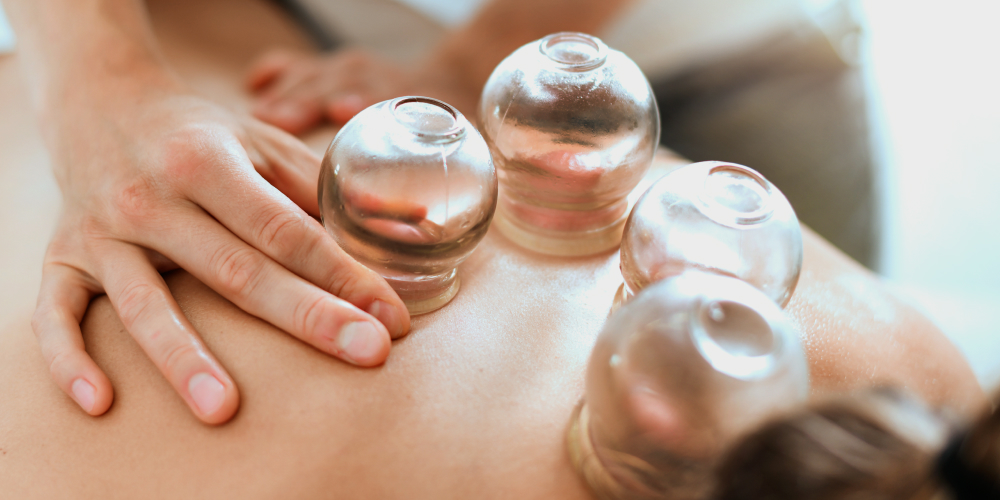
Before applying vacuum cups the patient’s skin should be greased, e.g. with medical petroleum jelly, to obtain better adhesion. This is particularly important for large cups, which may not want to stick to dry skin when applied.
What parts of the body can the cups be applied to? This can be the back, chest, legs, abdomen and even the face, depending on the problem the patient is presenting to us with. When applying the cups to the skin, the spine and the area around the heart and large blood vessels should be avoided.
The cups are placed on both sides of the body at similar distances. If the room temperature is low, the patient can be covered with a blanket, which adds to the comfort during the session. Cupping therapy can also be dynamic, i.e. after placing them on the shoulder or around the knee, the patient may be asked to perform a series of movements to relax the body area in question.
After the visit, the patient can return to daily activities. It is a myth to say that “cups cannot catch cold”, which is heard especially during autumn and winter. Bruising of the skin after the removal of the cups is natural and indicates the production of a large amount of antibodies.
In the context of fertility support, medical cups are rarely used, but there are areas where they do work. The muscles synergistic to the pelvic floor muscles are the orofacial muscles located in the face. In the case of ladies who are having trouble getting pregnant and decide to use vacuum cups on the temporomandibular joints, the muscles of the lower pelvic floor will be indirectly affected, relaxing tensions in this part of the body as well. As far as men are concerned, the use of cups stimulates the immune system, which contributes to resetting and strengthening the entire body. This helps men to pass infections more smoothly, which can have an impact on the quality of their semen.
Do medical cups affect longevity? They certainly help to relieve tensions in the body and reduce oxidative stress, so they can increase the regenerative capacity of tissues and organs. Medical cups can be used as a complementary therapy, which will work best when combined with a healthy lifestyle
Do you want to get rid of tension and cleanse your body?
At NAMI, we use medical cups when performing fascial massage. This is most commonly used for temporomandibular joint therapy, which works well for people who are stressed, struggling with bruxism and suffering from joint pain. We also offer Chinese cups massage, which stimulates the skin to regenerate, helping to fight cellulite, among other things.
NAMI Medical Resort and Clinic exclusively offers medical programs.

Read more