Update date: 18 November 2025
Publish date: 2 July 2025
Read in: 10 min
Chronic stress is not just a stomach ache, problems concentrating or sleeping. Symptoms of chronic stress include exhaustion and often social withdrawal. The effects of long-term stress lead to serious illnesses, such as stroke and heart attack. Tension is an integral part of modern life, but what if it starts to become chronic and, instead of motivating you to action, it harms you?

Chronic stress is tension and discomfort felt continuously, over a long period of time. It is not related to a specific event, one stressful situation or news. Chronic stress does not disappear quickly and exposes the body to a variety of negative effects – from feeling exhausted to serious health problems.
Short-term stress mobilizes you, helps you focus on your goal, and strengthens your mental resilience. Stress that helps you perform better at work or in sports is called eustress – beneficial stress.
However, there is also a second type of stress, definitely less beneficial. This is distress – harmful stress – which is precisely that chronic, chronic stress experienced for too long in relation to our body’s capacity.
Chronic stress manifests itself similarly to that of short-term stress. We often easily recognize when someone is stressed. Signals include trembling arms and legs, sweating, reddening of the neck, muscle tension, faster heartbeat, trembling voice or nervous movements.
However, these are usually short-term symptoms of stress that pass as we begin to feel calmer and calmer. Symptoms of long-term stress also include more serious ailments that can persist, like tension itself, for much longer and to a greater extent cause discomfort in daily functioning.
Common symptoms of chronic stress:
Positive tension can be associated with action. Negative, long-term – with exhaustion.
Sometimes, when we are affected by prolonged, exhausting tension, somatic symptoms of stress also appear. These are various real physical ailments, such as a rash, but caused by a psychological factor – such as just chronic stress. Therefore, we may wonder if a nervous sugar drop or diarrhea from stress is possible.
The body’s reaction to severe stress that lasts for a long time can be really serious. Hypertension, weakened immunity or hormonal disorders are just examples of what chronic stress does to our bodies. The effects of prolonged stress can shorten telomeres, the ends of chromosomes that act as sheaths for our DNA. Their shortening is associated with aging of the body and a greater risk of developing diseases such as cancer, diabetes, dementia and heart disease.
Effects of long-term stress on individual body systems
Feeling fatigue, the effects of chronic stress and tension?
The fight against long-term stress that is destructive to us should start with reducing or completely eliminating its cause. However, this is not always possible. The question then becomes how to deal with stress when it is a necessary part of our lives.
Treatment of chronic stress is all the ways and techniques that will allow us to relax, unwind and forget about the source of tension, as well as supporting the body, such as with the right supplementation.
Proven ways to treat stress:
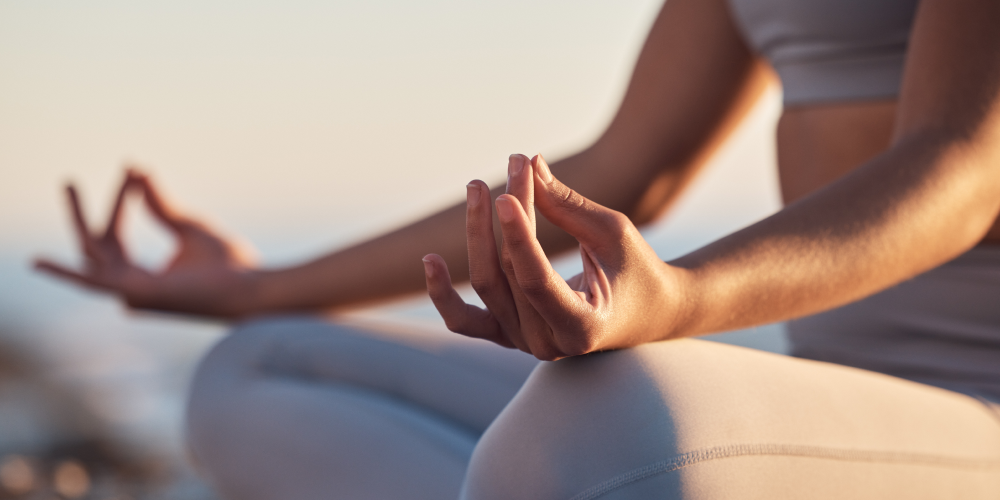
It’s worth looking for your own methods to get rid of stress. Some people will be relaxed by an intense workout or indulging in a hobby, while others need to talk to someone close to them and meditate regularly.
It’s worth talking about your feelings. If fighting stress on your own doesn’t work, get help from specialists who know how to reduce stress with psychotherapeutic and/or pharmacological methods. If stress is taking control of you, don’t be afraid to go to a psychologist, psychotherapist or psychiatrist.
Constant nervous tension can lead to deficiencies in various vitamins and minerals that play a key role in the functioning of the nervous and immune systems, so while you’re at it, it’s worth testing the levels of some of them:
It’s also worth checking cortisol levels and thyroid parameters, as stress can affect thyroid function.
NAMI Medical Resort and Clinic is a medical center located in Sopot, just 400 meters from the seashore. Walking on the beach is one of the most effective ways to combat stress. NAMI Medical Resort’s offer includes a personalized medical program „Stress Reset” directed specifically to people struggling with excess tension. We have selected various forms of therapy that best reduce stress accumulated in the body. Physiotherapy, aromatherapy, yoga, acupuncture, regeneration and sports zone. Book a stay at NAMI and be supported in a happy stress-free life.
NAMI Medical Resort and Clinic exclusively offers medical programs.
Regain your balance and take care of your health.

Read more