Update date: 24 April 2025
Publish date: 24 February 2025
Read in: 11 min
Scents shape our everyday experiences, evoking emotions, memories, and a sense of harmony. The fresh aroma of a spring meadow, bursting with flowers, herbs, and lush green grass, fills us with optimism and energy. A walk through the forest after a refreshing rainfall soothes the mind, eases tension, and promotes restful sleep. Even a simple bouquet of fragrant flowers can uplift the mood and bring a sense of tranquility.
For centuries, humans have harnessed the power of scent for therapeutic purposes – an ancient practice known as aromatherapy. But can it truly be considered a form of treatment? Explore the fascinating world of fragrance with us and discover the science and magic behind aromatherapy.

Aromatherapy is a natural approach to well-being that harnesses the power of essential oils to support health and balance both body and mind. The term itself derives from Greek, where arōmata refers to fragrant plants and roots, while therapeia means treatment and care.
Essential oils are extracted primarily through steam distillation from flowers, leaves, stems, bark, or seeds. This meticulous process requires significant quantities of raw plant material – for example, it takes 3 to 5 kg of bitter orange blossoms to produce just 5 ml of precious neroli oil. Valued for their therapeutic properties and captivating aromas, natural essential oils are among nature’s most exquisite gifts, carefully crafted to enhance well-being and holistic care.
Natural essential oils offer a diverse range of benefits. Depending on the plant from which they are derived, their effects can extend from enhancing mood and emotional balance to supporting digestion and overall well-being. Which essential oils should you choose to meet your specific needs?
Harness the wisdom of nature by integrating these precious essences into your daily routine, creating a space for harmony, balance, and holistic care
Aromatherapy has been an integral part of human culture for millennia, with the earliest evidence dating back to around 5000 BC. Archaeological discoveries have uncovered ancient vessels containing remnants of fragrant oils and ointments, hinting at their early therapeutic and ritualistic use. The first known distillation apparatus is believed to have emerged in Asia around this time, likely in China and India, where the process of oil extraction was refined and developed.
Ancient Egypt became a center of early aromatherapy practices, particularly in the production of balms used for mummification. Oils such as cedar, spikenard, frankincense, myrrh, and cinnamon played a key role in these sacred rituals and are now inscribed in Egypt’s cultural heritage.
The significance of aromatic oils can also be found in biblical texts. The Queen of Sheba gifted King Solomon a sacred balm – a blend of frankincense, cinnamon, cedar, and styrax resin – so valuable that King Hezekiah preserved it among his most treasured possessions, alongside gold and other riches.
The first recorded distillation of pure essential oil is attributed to Ibn Sina, also known as Avicenna (980-1037), a Persian physician, philosopher, and scholar. He successfully extracted rose oil, renowned for both its healing properties and exquisite fragrance. Modern EEG studies have since confirmed its impact on the central nervous system, showing that rose oil enhances focus, cognitive function, and task performance.
From ancient rituals to modern science, the power of aromatherapy continues to shape holistic well-being, offering both physical and emotional benefits through the art of scent.
Aromatherapy was introduced to Europe in the 12th century by medics accompanying the Crusades. Returning from the East, they brought not only essential oils but also valuable knowledge of their extraction and therapeutic applications.
The 19th century marked the beginning of scientific research into essential oils, particularly their health-promoting and cosmetic properties. Leading the way were scientists from France and England, whose studies laid the foundation for modern aromatherapy.
The term aromatherapy was popularized by French chemist and cosmetologist René-Maurice Gattefossé. According to legend, during an experiment in his laboratory, he accidentally burned his hand and instinctively plunged it into a container of lavender oil. To his surprise, the pain subsided, and the wound healed remarkably quickly. This experience sparked his lifelong research into the antiseptic and antibacterial properties of essential oils. While working with soldiers during World War I, Gattefossé demonstrated that lavender oil significantly accelerated wound healing and burn recovery.
His pioneering work was later continued by Dr. Jean Valnet, a military surgeon, who expanded the use of essential oils in medicine, including during World War II. Their research laid the groundwork for the modern understanding of aromatherapy as both a science and an art – one that continues to evolve and enrich holistic well-being today.
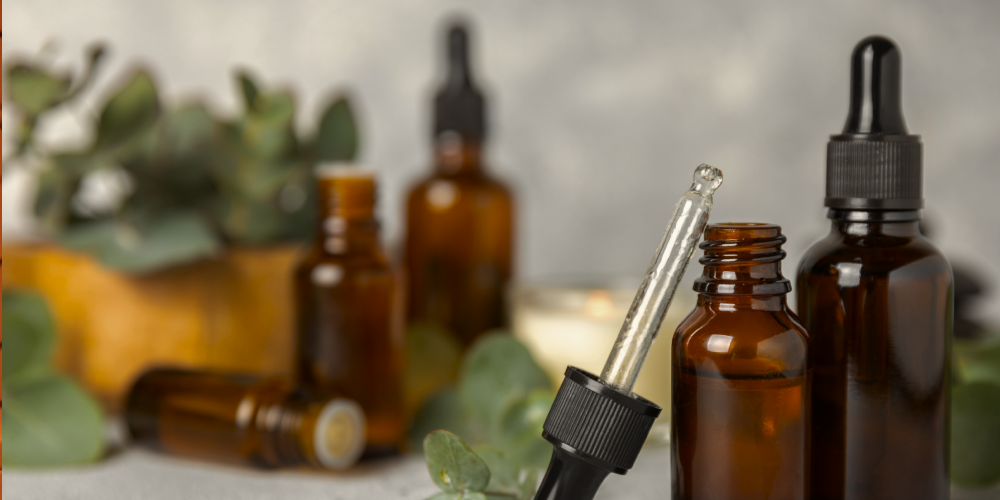
The method of use determines the depth and nature of the therapeutic effect. The most common applications include:
By selecting the right method and essential oil, you can create a personalized approach to well-being, bringing balance and harmony to both body and mind.
Aromatherapy is a natural and gentle way to support well-being, but during pregnancy, its use requires special care and knowledge. While some essential oils can help alleviate nausea, improve mood, and promote relaxation, others should be strictly avoided due to their potential effects on the body.
Safe choices include tangerine, lemon, and ginger which is well known for its ability to ease nausea. However, certain oils, such as clary sage, rosemary, and cinnamon, should be avoided during pregnancy, as they may cause uterine contractions or irritation.
The safest methods of use are inhalation and gentle massage with properly diluted oils. When used mindfully, essential oils can provide a soothing and supportive experience throughout pregnancy, enhancing relaxation and overall well-being.
The soothing properties of essential oils are increasingly being incorporated into maternity care across Europe, offering natural support during labor. Aromatherapy can help ease discomfort, reduce stress, and create a calming environment for both body and mind.
As with pregnancy, inhalation and gentle massage are the safest and most effective methods for using essential oils during labor. When applied mindfully, aromatherapy can be a powerful tool in creating a more comfortable and empowering birth experience.
At NAMI, aromatherapy is an essential part of our holistic approach. Carefully curated essential oil blends enhance rehabilitation treatments, massages, and sauna rituals. Thoughtfully selected scents accompany relaxation rituals, breathwork, and yoga, fostering harmony and balance.
Patients can also enjoy aromatherapy in their private space with 100% pure, natural essential oils. Each medical program includes tailored compositions – oils like clary sage, lavender, lemon balm, cypress, and geranium support hormonal balance, ease PMS and menopause symptoms, and regulate the menstrual cycle.
In our sauna rituals, essential oils enhance relaxation and purification. A few drops added to hot stones release therapeutic steam, clearing the mind and supporting respiratory health.
At NAMI, we use only pure essential oils, free from synthetic additives, ensuring safe and effective well-being support.
Aromatherapy is a natural way to enhance well-being. Carefully selected essential oils support mood, immunity, skin regeneration, and hormonal balance. With various application methods – inhalation, massage, or baths – therapy can be tailored to individual needs.
At NAMI, medical aromatherapy is one of the essential elements of holistic therapy, helping patients to regain harmony and health.
NAMI Medical Resort and Clinic exclusively offers medical programs.

Read more